
The bus from my hostel was supposed to leave at 7:15am. We got there at 7:05 and the driver was already pulling out of the parking lot. My niece, eight years old, was holding a piece of toast she had not finished eating, and her shoes were on the wrong feet. I yelled in three different languages and the driver finally stopped.
This was the third day of having my brother’s daughter as my travel companion for a week — her parents were doing a delayed honeymoon in Hong Kong, and I had agreed to take her around China for seven days. The Chengdu Panda Research Base was day three. By the time we made the bus, both of us were already sweating and the morning had not technically started.
7:45am and the Pandas Were Already Eating Breakfast
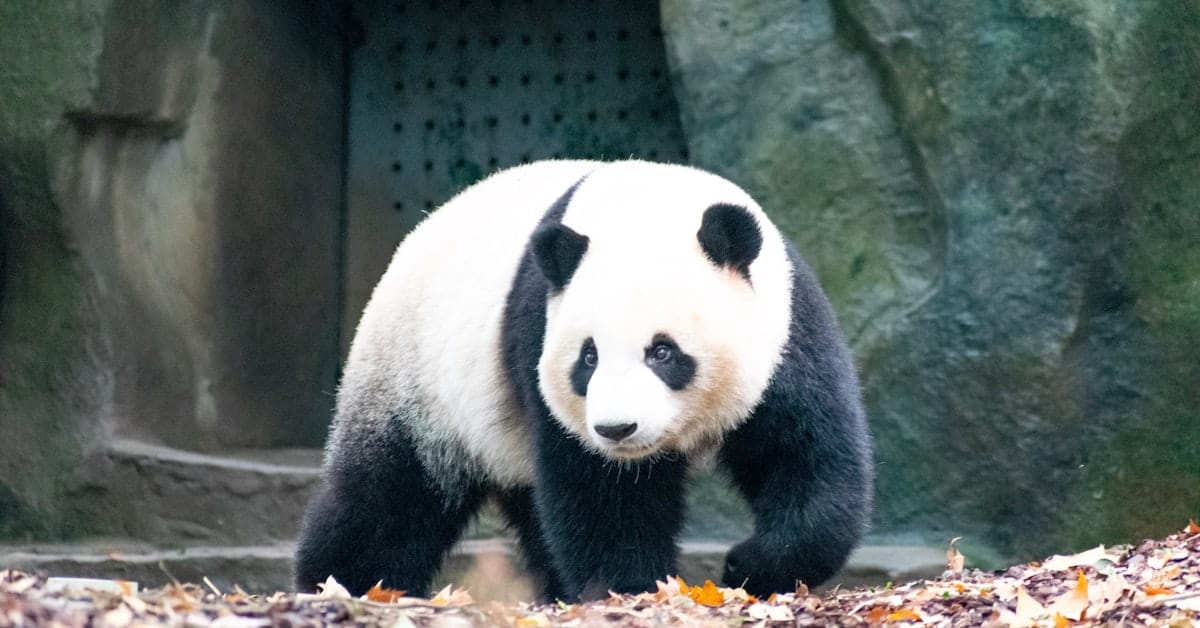
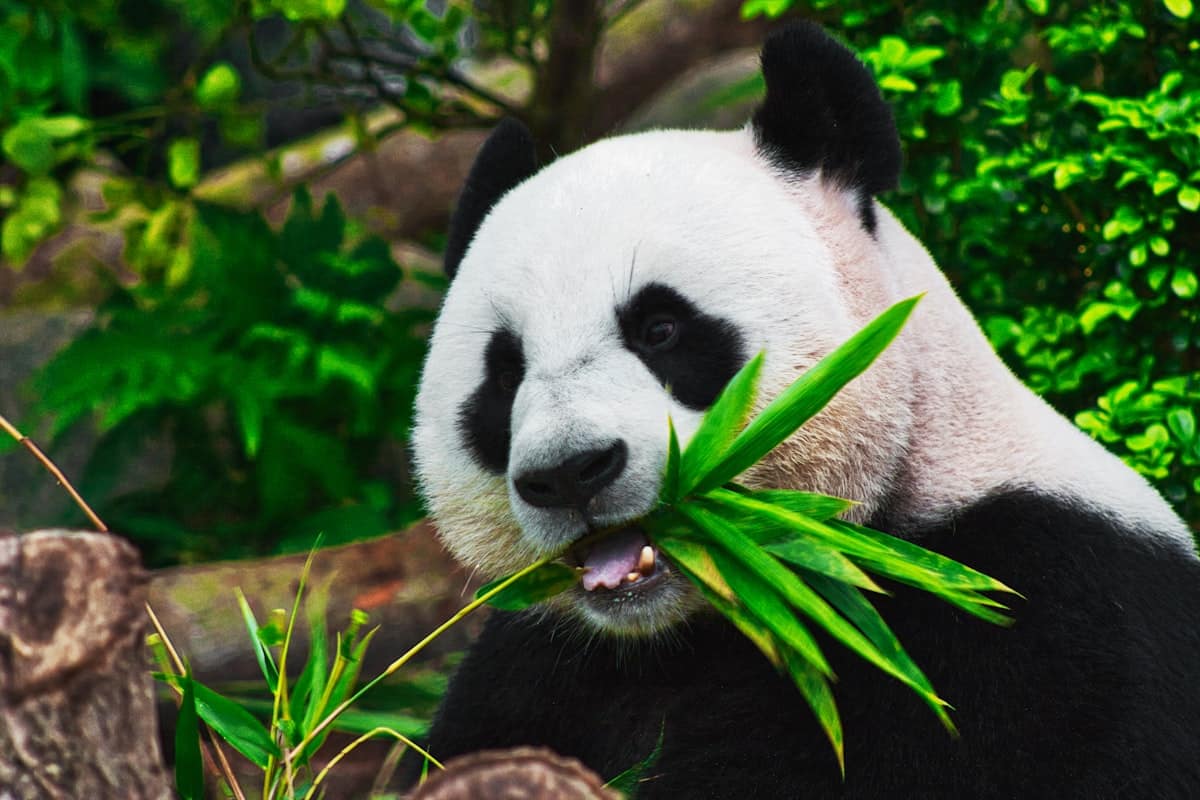
The base opens at 7:30am. By 7:45 we were inside, walking past the first enclosure, and my niece had stopped complaining about the bus driver. The pandas, it turns out, are most active in the first 90 minutes of the day, which is also when they eat. We saw six of them within the first half hour, all chewing bamboo at slightly different angles like they were comparing notes.
The crowd at this hour is small. By 9:30 the tour buses arrive and the boardwalks fill up; the woman at the ticket window had warned me about this in slow English, like she had given the same warning maybe forty times that week. We took the warning seriously. By 9:30 we had already seen the four enclosures my niece cared about and were sitting on a bench drinking water.
The thing nobody mentions about the Panda Base: it is enormous, much bigger than I had expected. The walking paths between enclosures are 200–400 meters of uphill, sometimes through bamboo tunnels, sometimes through forested sections that feel like a real park. An eight-year-old walked all of it. I would not have predicted that.
The Adult Pandas Are Slightly Boring
Here is the part the guidebooks do not tell you. Adult pandas, after the breakfast hour, are not doing much. They lie on their backs. They stare at things. Sometimes they roll over. My niece watched the second adult panda enclosure for about ninety seconds before saying “this one is sleeping” and pulling me along.
The good part of the base is not the adults. It is the sub-adults (one to three years old) and the nursery.
The Nursery Was the Part She Remembered
You have to walk uphill for fifteen minutes to get to the nursery. It is not signposted in English particularly well, and the path branches into three confusing directions near the cafeteria. We took the wrong one twice. A staff member with a clipboard finally pointed us in the right direction with a small smile that seemed to say “you and everyone else.”
The nursery is behind glass, with maybe four or five baby pandas in different stages of development. Some are pink and hairless and look more like puppies than pandas. Some are six months old and already pandas in miniature — black and white, fuzzy, mostly asleep on tile floors with their legs splayed out in directions that should not be physically possible. My niece pressed her face against the glass and did not move for eleven minutes. I checked the time. She did not move for eleven minutes.
This is the moment of the visit that mattered. We left the nursery at 10:45am with both of us in a slightly altered state. She asked me three questions in a row about whether pandas have feelings. I did not have good answers.
The 380-yuan Photo Opportunity
Near the nursery exit there is a counter offering “photos with a panda” for 380 yuan. The fine print is that you do not actually hold the panda — you stand next to a panel that holds the panda, while a handler restrains the panda for thirty seconds. The money goes to conservation, in theory.
My niece asked if we could. I asked her what she would want the photo for. She said “to show my mom.” I said her mom would see all the other photos anyway. She thought about this and said “okay.”
I did not buy the 380-yuan photo. We walked out and ate Sichuan noodles at a small place across the street. She liked the noodles more than she liked the photo idea, which I had bet on but had not been sure about.
Getting There From Chengdu, Logistically
The base is in the northern suburbs of Chengdu, about an hour from the city center by metro. Line 3 takes you to Panda Avenue station, and from there the entrance is a short ride or a 15-minute walk through a fairly nondescript residential area. We took a DiDi from the metro because we were already running late and an eight-year-old has limited patience for unnecessary walks in 31°C heat.
Tickets are 55 yuan for adults and 27 yuan for children. They must be booked online via the official WeChat mini-program, ideally 3–4 days ahead in summer — same-day tickets sometimes available but the morning slot (7:30–9:30am entry) is the only one worth booking and it sells out first. Bring your passport; they scan it at the gate alongside the booking QR code.
For broader Chengdu context, the longer Chengdu travel guide covers the rest of what’s worth doing in the city. And if you’re planning the whole China trip as a family this summer, the China family summer trip guide has the broader routing — we did roughly Route 1 (Sichuan-anchored) from that guide, which worked for an eight-year-old in a way I am not sure other Chinese cities would have.

The Afternoon We Almost Skipped
By 11:30am we were back at the metro station. The original plan was to go to the Jinli ancient street area for lunch, then maybe Wuhou Shrine in the afternoon. I asked my niece what she actually wanted to do. She said “go back to the hotel and have ice cream and read.”
I had not planned for ice cream. I had not planned for reading. I had planned for sights, in the way that all adults plan trips for children even when the children would mostly like to lie on a hotel bed.
We went to the hotel. We had ice cream from the convenience store across the street — she had a mango one, I had a green tea one. She read for two hours. I sat in the AC and answered work emails. At 4:30pm she said she was ready to go out again, so we went to a hotpot place I had bookmarked. She ate plain noodles in clear broth from the non-spicy side; I ate from the red side. She found the moving lazy Susan in the middle of the table more interesting than anything else we had done in the city.
What Worked, and What I Didn’t Know Would Work
The 7:30am gate opening was the entire trick. If we had gone at 9:30 like a normal tourist morning, we would have spent the day in a slow-moving boardwalk crowd watching the back of someone’s umbrella. Going early meant the visit was the visit, not the queueing.
The other thing that worked, which I did not expect: my niece liked the small things more than the big things. The mahjong tables in People’s Park. The ear cleaners. The lazy Susan at the hotpot place. The mango ice cream. The 380-yuan panda photo would have been a five-minute novelty; the eleven minutes at the nursery glass were unprompted and genuine. Eight-year-olds are better at this than adults give them credit for.

The Next Day We Went to Mount Qingcheng
Day four was supposed to be Leshan Buddha. I changed it the night before to Mount Qingcheng because the bus ride was shorter, the trees would be cooler, and the cable car was a known kid-pleaser. We took the early train (35 minutes, 15 yuan), took the cable car up, walked down through the bamboo, ate at a small noodle place near the south gate, and were back at the hotel by 4pm. She slept on the train both ways.
By day six we were tired in a way that felt earned rather than miserable. She did not complain about any of the bus rides after the first one. She learned to say “xiè xie” (thank you) and “hǎo chī” (delicious) and used both more than necessary. Her mother sent a message asking if she had been good and I said yes, which was true.
Leaving Chengdu
We left on a Sunday morning train, the 8:42am to Xi’an. She had a window seat. She brought her own snacks this time. She asked me, somewhere around hour two of the four-hour ride, whether we could come back to Chengdu another time and see the pandas again. I said yes, probably. The Sichuan plain went past outside the window — rice paddies, small towns, occasional cement plants, occasional rivers — and she watched it for a while and then opened her book.
The bag of leftover panda postcards I had bought at the gift shop was in the overhead rack. I had spent 60 yuan on them. She had picked them out herself. The 380-yuan photo I had not bought was, in hindsight, exactly the right call.
Photos courtesy of Unsplash.