
The cough started on the train from Chengdu to Kunming. A tickle at first, then a full rattle in my chest by the time I checked into my hotel. By the second morning in Kunming, I was coughing hard enough that the hotel receptionist handed me a tissue and asked, in gestures I understood perfectly, if I needed a doctor.
I did not need a doctor. I needed something for the cough. What I got was an education in how Chinese pharmacies work, how much they cost, and why you should pack more medication than you think you need.
The Green Cross on the Corner
Chinese pharmacies are marked by a green cross sign, sometimes lit, sometimes not. They are everywhere — I passed three on the ten-minute walk from my hotel to Green Lake Park. The one I walked into was narrow, maybe two meters wide, with glass cabinets lining both walls and a pharmacist behind a counter at the back.
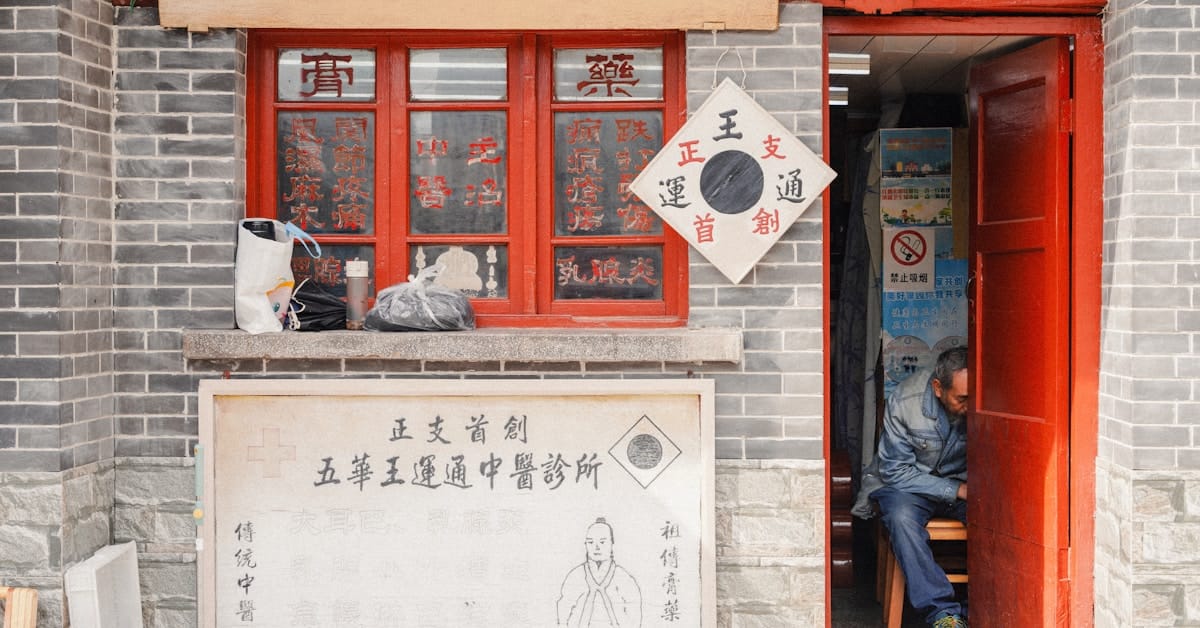
I pointed at my throat. The pharmacist — a woman in her fifties with reading glasses on a chain — nodded and started pulling boxes from the cabinet. She set four boxes on the counter, all in Chinese. I recognized none of the brand names. I pulled up Baidu Translate, pointed the camera at the first box. “Compound licorice tablets.” The second: “Loquat leaf cough syrup.” The third: Something about Sichuan fritillary bulbs. The fourth: A Chinese patent medicine I could not parse.
I held up one finger, pointing at the loquat syrup. She nodded, rang it up — 18 yuan. Less than three dollars for a bottle that lasted me the rest of the trip.
What Chinese Pharmacies Actually Carry
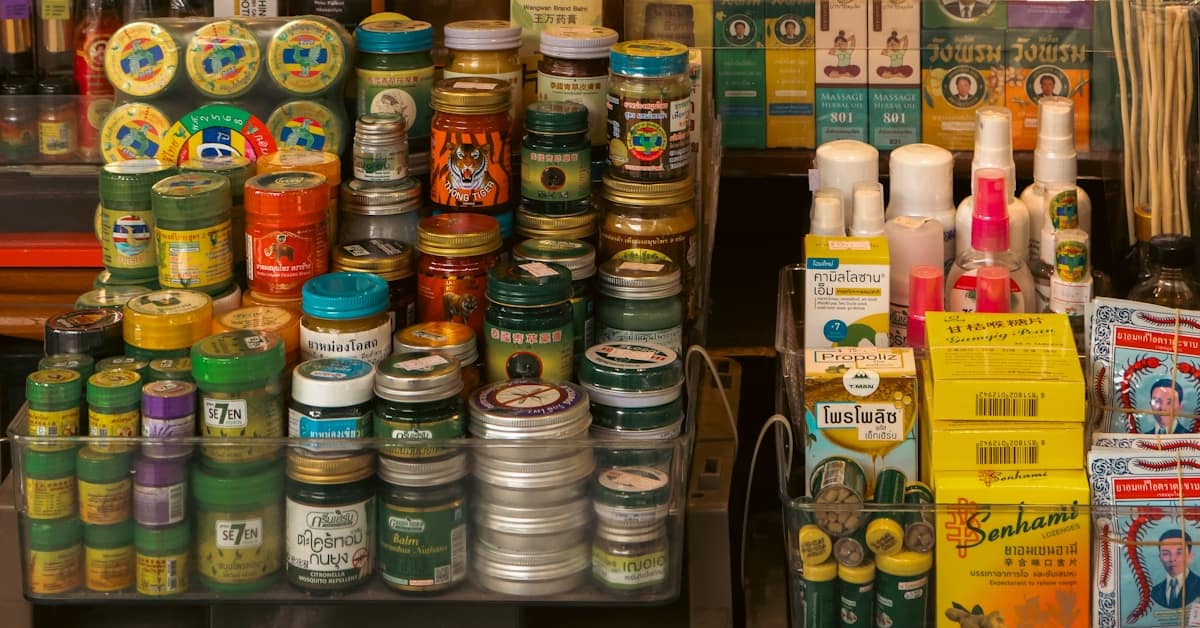
Most Chinese pharmacies stock a mix of traditional Chinese medicine (TCM) and Western-style drugs, but the balance leans heavily toward TCM, especially for colds and coughs. The pharmacist’s first instinct was to give me herbal remedies, not ibuprofen or dextromethorphan.
Western drugs are available, but you need to know what to ask for. “Ibuprofen” is “bu luo fen” in Chinese. “Antihistamine” is harder — I could not translate it on the spot and ended up using the camera translation on a box the pharmacist showed me to confirm it was loratadine.
The Hospital Visit That Cost Less Than Lunch
The cough did not improve after three days. My hotel’s front desk called a local clinic for me. They gave me an address and wrote it on a card in Chinese characters — “show this to the taxi driver.”
The clinic was a community health center, not a hospital. I waited twenty minutes. The doctor spoke some English — enough to listen to my lungs with a stethoscope, look in my throat, and tell me it was a chest infection, not bronchitis. She prescribed an antibiotic (azithromycin) and a Chinese herbal expectorant.
The total cost: 87 yuan for the consultation, 42 yuan for the prescriptions. 129 yuan. About eighteen US dollars. I paid with WeChat Pay at the pharmacy window inside the clinic. The whole thing took under an hour.
I had set up my [WeChat Pay](https://www.dragonroam.com/china-travel-essentials/money-payment/how-to-set-up-wechat-pay-alipay-with-a-foreign-credit-card-2026-updated/) before the trip. Without it, I would have needed cash, and the clinic did not appear to have a card machine.
What the Doctor Told Me That I Did Not Expect
The doctor asked if I had travel insurance. I said yes. She said, “Good, but you do not need it for this.” The cost was low enough that my insurance deductible would not kick in anyway. She also told me that if I had gone to a major hospital instead of the community clinic, the wait would have been two to three hours but the cost would still have been under 300 yuan for the same treatment.
She wrote her WeChat ID on the prescription slip and told me to message her if the cough did not improve in two days. Chinese doctors giving patients their WeChat is apparently normal. I did message her four days later from Dali. She replied within an hour: “Stop the antibiotic. Keep taking the herbal expectorant for three more days.” Free follow-up.
What I Wish I Had Packed
The whole experience was fine. Better than fine — the care was fast, cheap, and effective. But I would have saved myself the pharmacy visit and the clinic visit if I had packed differently. Here is what I brought and what I should have brought:
- I packed: Ibuprofen, band-aids, and optimism.
- I should have packed: Cough suppressant (dextromethorphan), expectorant (guaifenesin), throat lozenges, a full course of a broad-spectrum antibiotic (with my doctor’s prescription at home), and oral rehydration salts.
Chest colds and digestive issues are the two most common health problems for travelers in China. The air quality does not help. The food is delicious but your stomach may disagree. Having your own medication means you do not need to navigate a pharmacy in a language you do not read at 10pm when you feel terrible.
Pharmacy Logistics (If You Need to Go)
- Look for the green cross sign. Pharmacies are everywhere in Chinese cities. Most are open 8am–10pm; some in major cities are 24-hour.
- Payment: WeChat Pay or Alipay. Some accept cash. Very few accept foreign credit cards directly.
- Language: Bring Baidu Translate or Google Translate (with VPN). Point at what hurts. Show the camera translation of any box before you buy it.
- Western drugs: Ask for “bu luo fen” (ibuprofen), “a mo xi lin” (amoxicillin), or use the camera translation on boxes. Major pharmacies in first-tier cities sometimes have English-speaking staff.
- Hospitals: For anything beyond a cold, go to the international clinic at a major hospital in Beijing, Shanghai, or Chengdu. Costs more (500–1,500 yuan) but English-speaking doctors and Western-standard care. The [safety guide](https://www.dragonroam.com/china-travel-essentials/is-china-safe-at-night-i-walked-through-three-cities-after-midnight-to-find-out/) I read before the trip covered this, but I did not think I would need it.
I left Kunming four days after the clinic visit. The cough was almost gone. The loquat syrup bottle was still half full. I carried it in my day bag for the rest of the trip — through Dali, Lijiang, and the flight home. I never needed it again. But I kept it, because throwing away something that cost 18 yuan and actually worked felt wrong somehow.