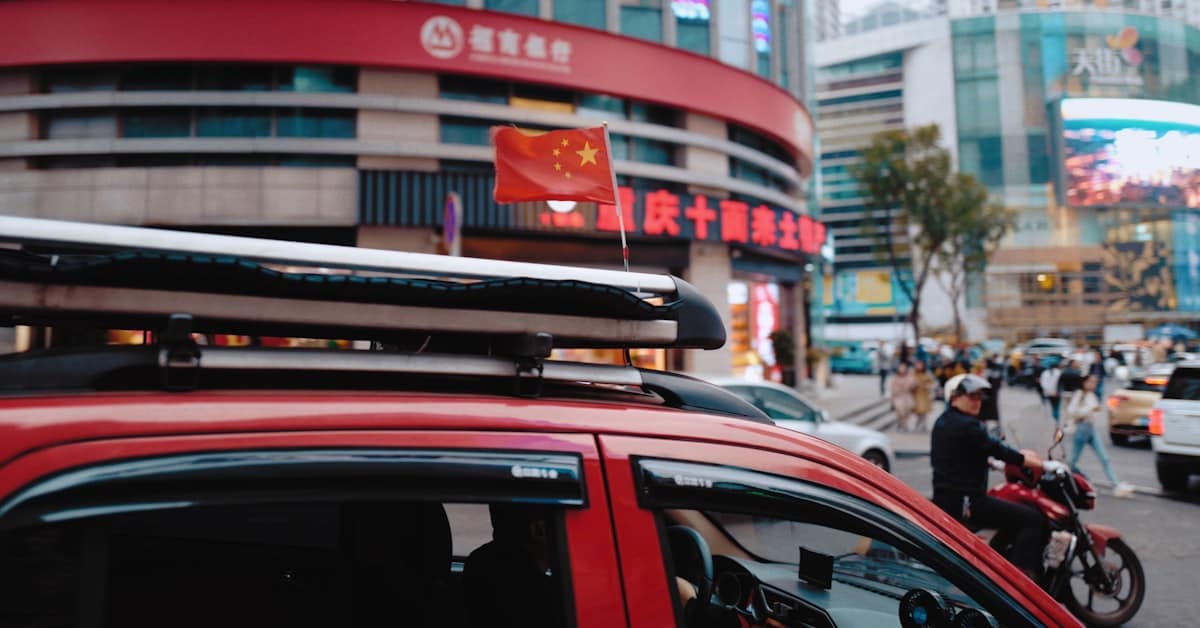

I set my alarm for 4:50am because a Chinese friend told me that Lijiang Old Town was worth seeing before the tourists arrived. “Before 6am,” she said, like it was obvious. I did not believe her. I set the alarm anyway.
At 5:05am I stepped out of my guesthouse onto a cobblestone street that was still wet from overnight rain. The street was empty. Not “early morning quiet” — actually empty. No shops open. No tour groups with their flags. No music from the bars that line the canal. Just the sound of water running through the stone channels that line every street in the old town.
The Cobblestones Before the Crowds
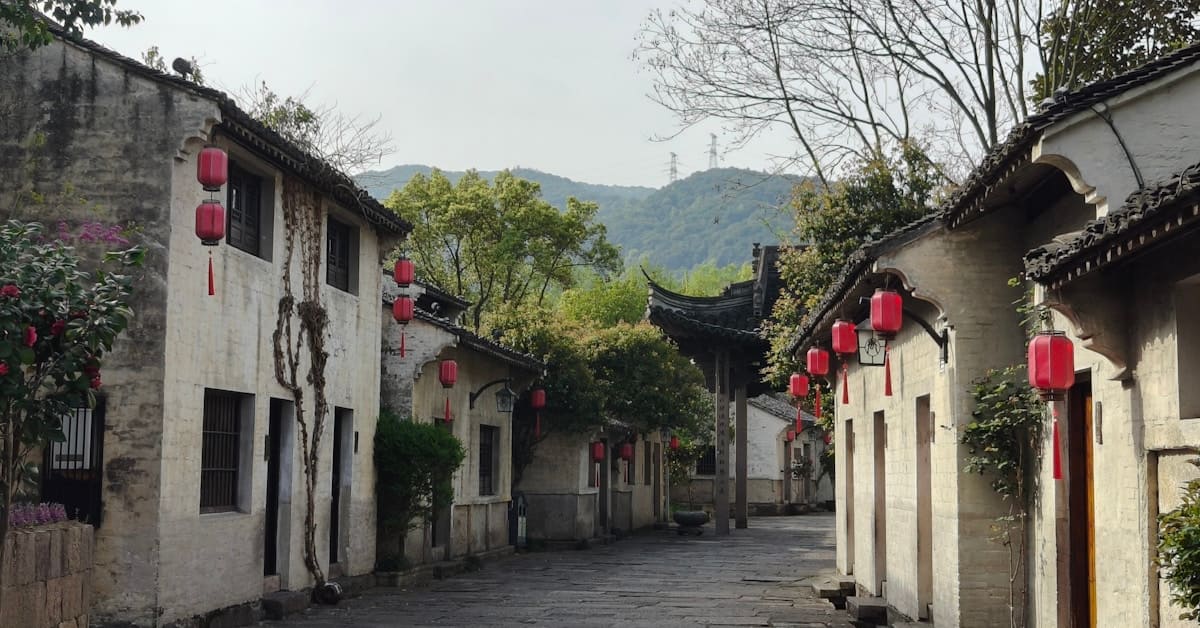
Lijiang Old Town is a maze of cobblestone streets, wooden buildings, and canals fed by snowmelt from Jade Dragon Snow Mountain. At 5am, the canals are the loudest thing. The water runs fast and clear, and every street has a channel cut into the stone alongside it, some only a few inches wide. I followed one channel uphill for ten minutes and it led me to a small square with a stone bridge and a Naxi woman sweeping the steps of her shop.
She looked at me. I looked at her. She went back to sweeping. That was the entire interaction.
I wandered for another forty minutes without a plan. The old town is genuinely maze-like — I took four wrong turns and ended up at the same waterwheel twice. The Naxi architecture is distinct: wooden frames, tile roofs that curve upward at the corners, and carved panels under the eaves. At 5am, with the lanterns still lit and no one around, it looked like a movie set before the actors arrived.
6:15am and the First Signs of Life
The first sign was a breakfast vendor setting up a folding table near the waterwheel at the center of town. She was selling erkuai — rice cakes pressed flat on a hot iron, brushed with chili sauce and folded over pickled vegetables. 5 yuan. I ate it standing while she set up the rest of her station.
By 6:30am the shop shutters started rolling up. By 7am the first tour group appeared — twenty people in matching blue vests following a guide with a megaphone. By 8am the old town was full. The transformation took less than two hours.
Jade Dragon Snow Mountain: The View vs. The Reality
I took a cable car up Jade Dragon Snow Mountain the next morning. The cable car goes to 4,506m. At that altitude the air is thin — I felt it walking up the wooden steps to the viewing platform. My head went light and my legs went slow. I stopped twice on a staircase that would have taken thirty seconds at sea level.
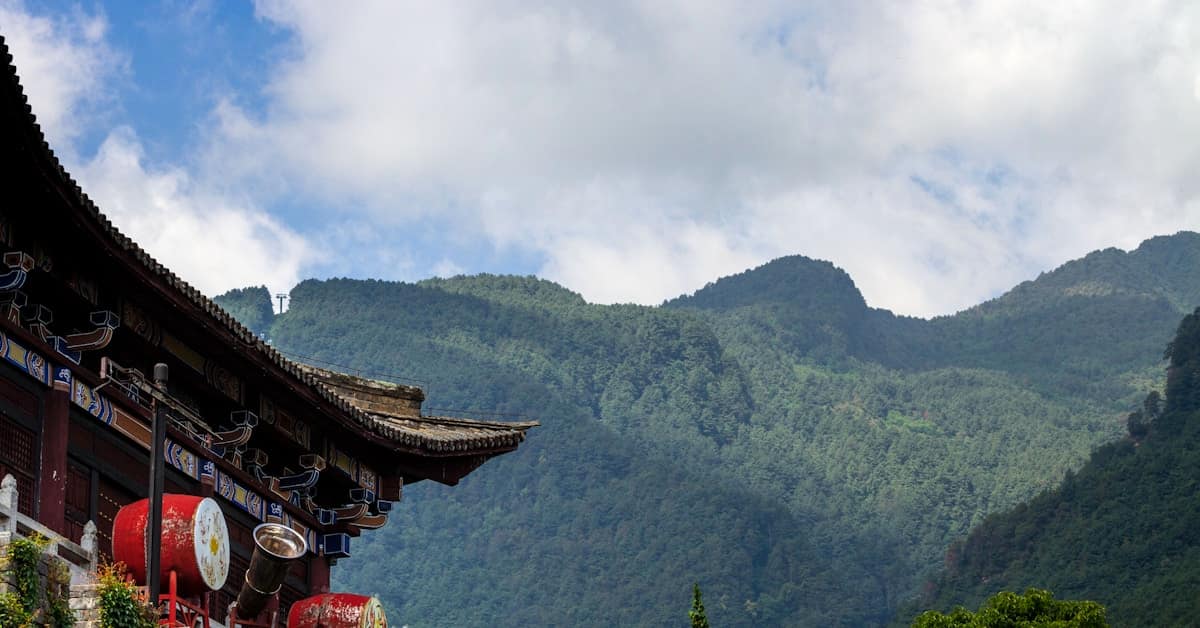
The view from the top was a white ridge line and a glacier that has been retreating for decades. A sign said the glacier lost 200 meters of length since 2004. The air was cold and thin and clean in a way that made my lungs sting. I stayed twenty minutes and went back down.
The cable car ticket was 180 yuan for the upper station. The entrance to the scenic area (which you have to buy to access the cable car) was 100 yuan. Total: 280 yuan. Worth it for the altitude experience. Not worth it if you are only interested in photos — the mountain is often in clouds, and on overcast days you see nothing from the top.
The Night I Did Not Expect
I came back from the mountain around 2pm, slept for three hours, and went out again at 8pm. The old town transforms at night. Every shop and restaurant lights red lanterns. The canals glow. The bars along the main canal play live music — Naxi folk songs, mostly, with some Bob Marley covers from the backpacker bars.
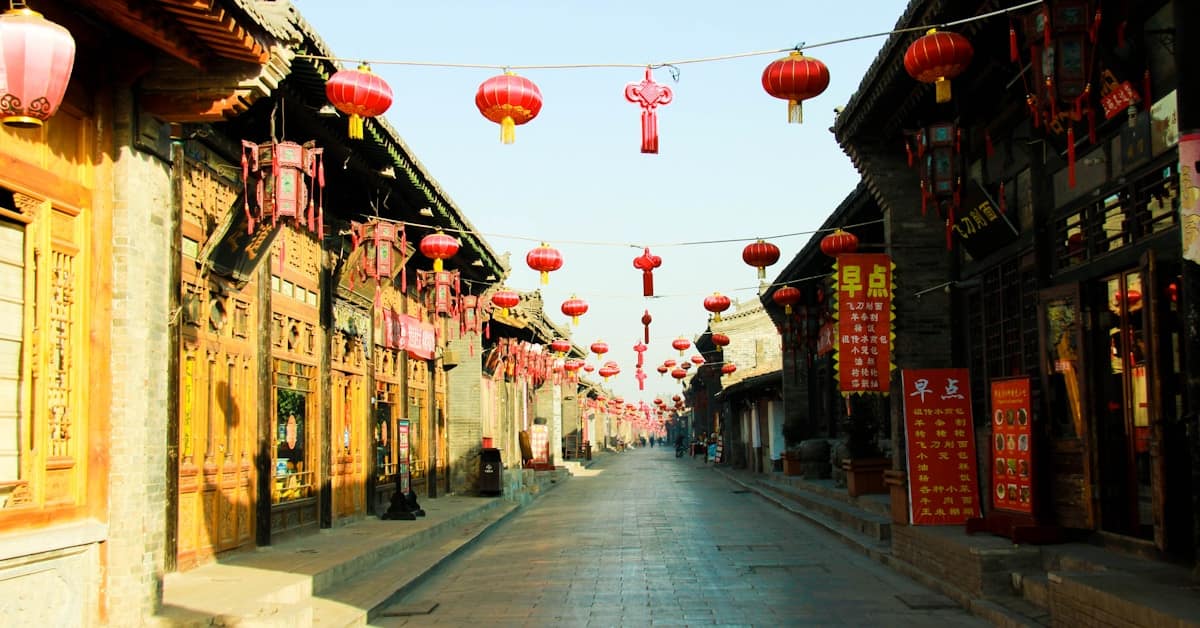
I sat on a stone bridge over the main canal and ate a grilled potato from a street vendor (8 yuan, covered in cumin and chili powder). A Naxi woman next to me was doing the same thing. We did not speak the same language but we both nodded at the potato, which was apparently a universal endorsement.
The [Yunnan route](https://www.dragonroam.com/travel-tips/7-day-yunnan-adventure-dali-lijiang-off-the-beaten-path-itinerary-2026/) I had followed from Kunming through Dali led here, and Lijiang at night was the payoff. The same streets that were magical at 5am were a different kind of magical at 9pm — louder, warmer, more alive. I liked both versions. I could not pick one over the other.
Logistics
- Train: Dali to Lijiang, high-speed rail, 1.5 hours, ~80 yuan. Or bus, 3 hours, ~60 yuan.
- Old Town: Free to enter. No cars allowed inside. The maze is real — screenshot your hotel location on your phone before you arrive.
- Jade Dragon Snow Mountain: 100 yuan entrance + 180 yuan upper cable car. Oxygen canisters sold at the base for 60 yuan. You probably do not need one unless you have altitude sensitivity.
- Getting around: Walk inside the old town. [DiDi](https://www.dragonroam.com/destinations/the-didi-ride-that-went-to-the-wrong-station-and-what-i-learned-about-getting-around-china/) for trips outside (cable car base, train station). 15–25 yuan to the cable car entrance.
- Hotel: I paid 220 yuan for a guesthouse inside the old town. Request a room away from the bar street if you want to sleep before midnight.
- Payment: [WeChat Pay](https://www.dragonroam.com/china-travel-essentials/money-payment/how-to-set-up-wechat-pay-alipay-with-a-foreign-credit-card-2026-updated/) everywhere. The potato vendor had a QR code taped to her cart.
I left on the 10am train to Kunming with a bag of Naxi bread I bought from the same woman who was sweeping her steps at 5am. She was open by then, and she recognized me — or at least she seemed to. She handed me an extra piece and waved. I ate it on the platform while waiting for the train. It was sweet and dense and still warm.