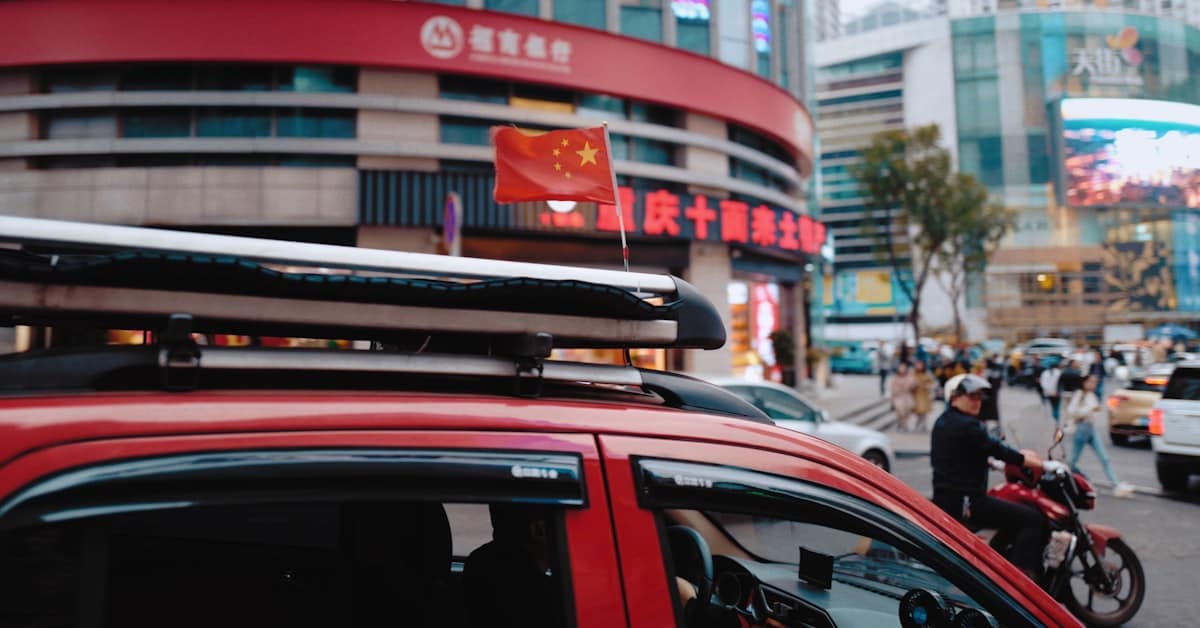

6am and the River Was Already Loud
I could hear the drums from the hotel room. Not a steady rhythm — more like someone testing a heartbeat, inconsistent, stopping, starting again. It was 6:10am and I hadn’t planned to be awake for another two hours.
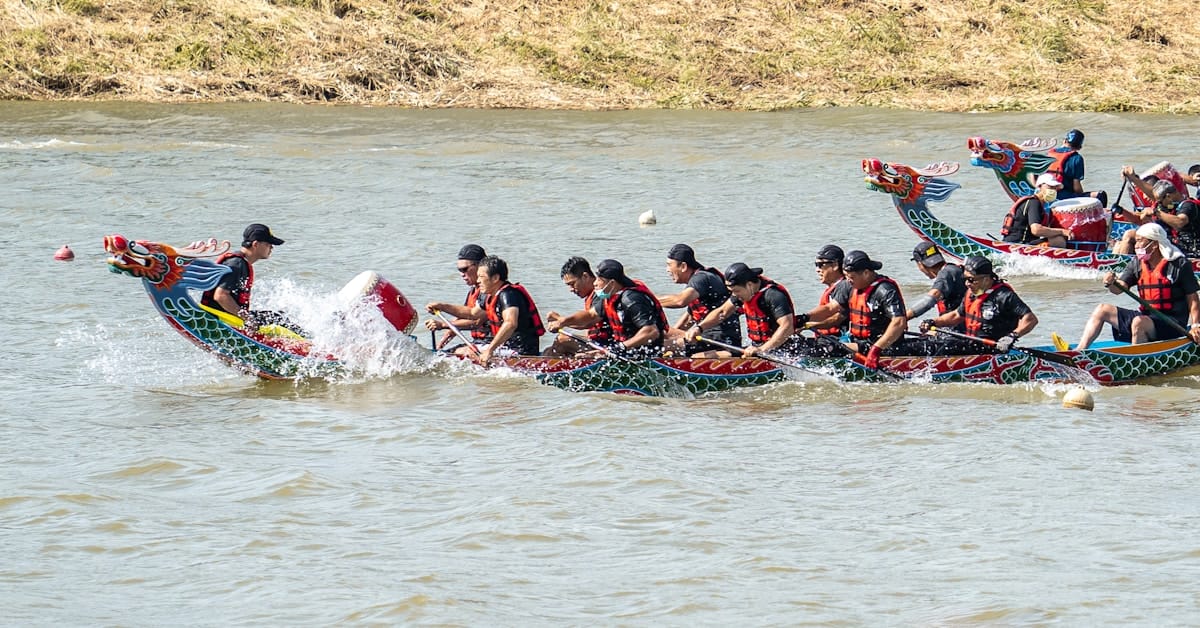
The night before, the guesthouse owner had told me the races started at 9. What she didn’t say was that the teams started practicing at dawn. By the time I pulled on my shoes and walked the three blocks to the river, two boats were already on the water, their crews paddling in short bursts and then gliding, the drummers sitting at the front testing their tempo.
I’d arrived in Yueyang the previous afternoon on a high-speed train from Changsha. One hour, 65 yuan for a second-class seat. I booked it three days before — the only reason I got a ticket was that Yueyang isn’t on most tourists’ radar during Dragon Boat Festival. They go to Guangzhou or Hangzhou. Yueyang is where the story actually happened, and most people outside Hunan don’t think about that.
The Practice Run Nobody Watched
I stood on the bank for maybe 40 minutes. Two other people were there — an older man doing tai chi further down, and a woman selling tea eggs from a thermos. I bought one. It was still hot, the shell cracked with brown marinade lines running through the white. Five yuan.
The boats came closer on a turn, close enough that I could see the muscles in the rowers’ shoulders working. Nobody was shouting. The drum was quiet — just a tap every few seconds to keep time. The real noise would come later.
The Race I Almost Missed
I went back to the hotel, showered, and came back at 8:30. The riverbank was already three people deep along the railings. By 9am, I couldn’t get within 15 meters of the water. I found a spot on a pedestrian bridge that crossed the river about 200 meters downstream from the starting line. Not ideal, but I could see the boats coming toward me after the turn.
There were eight boats. Each one had about 20 rowers, a drummer at the front, and a steersman at the back with a long oar. The dragon heads were uncovered now — carved, painted red and gold, some with actual LED lights in the eyes that looked absurd in the daylight.
The first heat started at 9:15. I could tell when it started because the drumming changed — from the tentative taps of practice to a flat-out assault. The crowd noise was a wall of sound that I felt in my chest before I registered it as cheering. The boats moved faster than I expected, faster than they look on video. From the bridge I could see the rhythm of the paddles — all entering the water at the same angle, same depth, same timing. It was mechanical and organic at the same time.
The heat lasted maybe 90 seconds. Then the boats drifted back to the start, the crews dripping sweat, and the crowd thinned for about ten minutes before the next one.
I’d been in China during holidays before — the July heat in Chongqing had taught me that domestic holiday crowds operate on a different frequency. But this was different. People weren’t rushing. They were standing around, eating, visiting with neighbors. The race was the excuse to gather, not the main event for most of them.
What I Got Wrong
I didn’t bring sunscreen. The bridge had no shade. By 10:30 my forearms were burning and I hadn’t thought to bring a hat or an umbrella like literally every Chinese person around me had. I left the bridge and found a tree near the riverwalk. Worse view, but I could stay for another hour without cooking.
Zongzi From a Plastic Bag
Midway through the third heat, a woman walked past carrying a shopping bag full of zongzi. Not in a stall, not on a table — just walking through the crowd, selling them out of a plastic bag. I flagged her down.
She held up two options: a small one wrapped tight and a larger one with a looser shape. I pointed at the larger one. Eight yuan. She pulled the string open with one hand, peeled back the bamboo leaf, and handed it to me like it was the most natural transaction in the world — a hot sticky rice dumpling, unwrapped, no plate, no napkin, just handed over in the middle of a crowd.
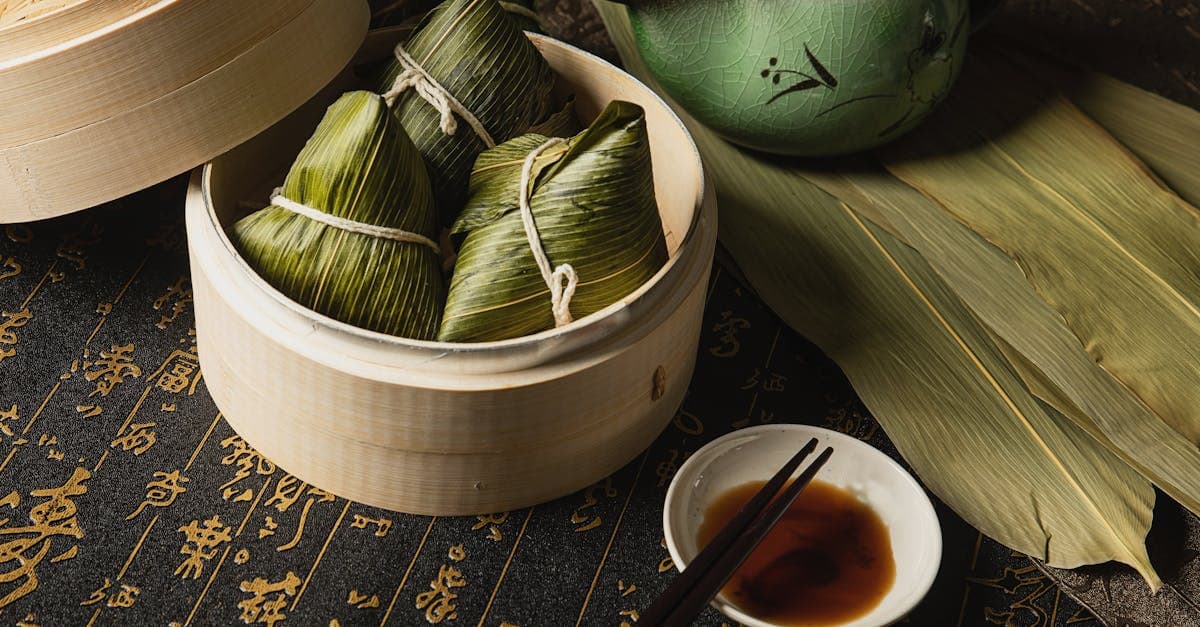
It was savory. The rice was golden brown from soy sauce, and when I bit into it there was pork — not lean pork, the fatty kind that melts into the rice during steaming. A salted egg yolk in the center, bright orange, crumbly, rich. I stood there eating it with my fingers getting sticky and rice grains falling onto my shoes, and it was the best thing I ate that entire week in Hunan.
I went back the next day to the same spot. The woman wasn’t there. I asked three different vendors. Two sold the sweet kind — red date filling, northern style. One had the savory version but it wasn’t the same. The rice was drier, the pork was lean, no egg yolk. Six yuan. Not bad, but not the one from the plastic bag.
This is the thing about festival food in China — it’s seasonal and it’s personal. Every family makes their own zongzi, and the ones you buy from a stranger on the street are someone’s family recipe. You get one shot, and then it’s gone.
The Part Nobody Warned Me About
The holiday itself is June 19 in 2026. The race happened on the 19th. What nobody told me — and what I didn’t read in any English-language guide — was that the day after the festival was better than the day of.
On June 20, the crowds were half the size. The boats were being cleaned and stored along the riverbank, and the teams were relaxed, sitting around smoking, willing to talk. I walked up to one group and asked — in my limited Mandarin, helped by a translation app — about the drumming. One of the drummers pulled out his phone and showed me a video from the race. Then he handed me a pair of drumsticks and let me tap the drum. It was heavier than I expected, the surface taut like it was about to snap back.
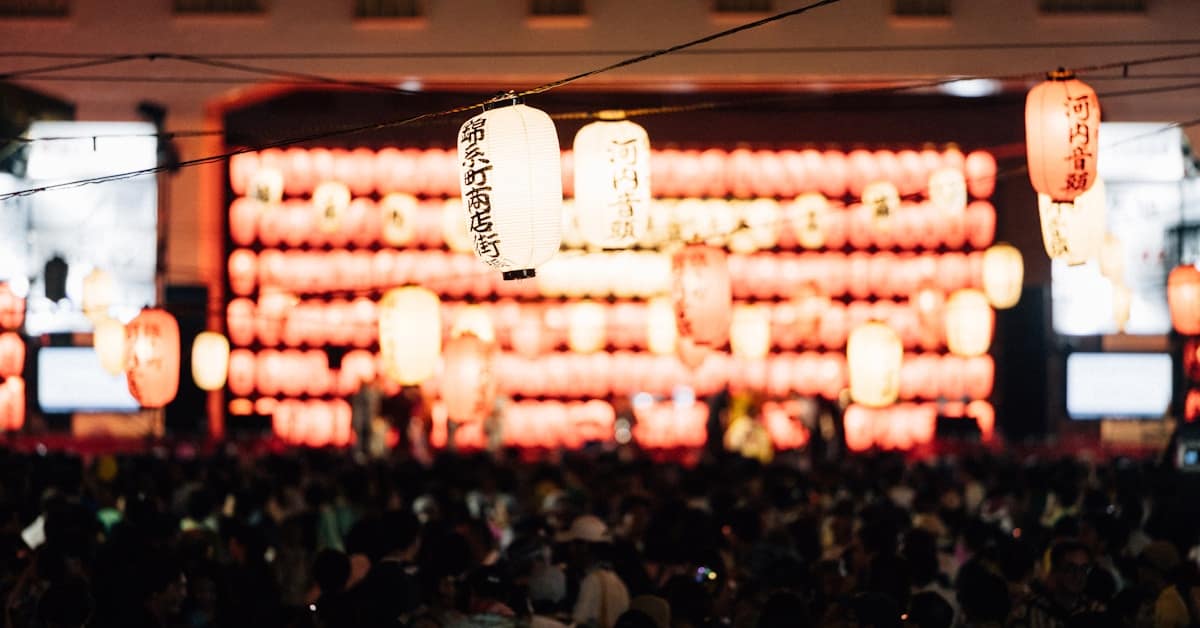
The wet market near the old town was the other revelation. On the 20th, the vendors still had zongzi but the selection was broader — varieties that had sold out the day before. I counted at least six different shapes: the standard triangle, a long thin one, a small round one wrapped in reed instead of bamboo. A woman at a corner stall saw me staring and offered me a taste of a sweet one — mung bean filling, the rice mixed with honey. Free. She wouldn’t take money for it. I tried to pay with WeChat Pay (which I’d set up after reading this guide before the trip) but she just waved the phone away and pointed at her heart.
That kind of thing — a stranger handing you food for no reason on a holiday morning — that’s what the guidebooks can’t account for. It’s not an attraction. It’s not on a map. It happened because I was there the day after, when the pressure was off and people had time to be generous instead of busy.
Payment Note
Most street vendors accepted WeChat Pay, but the older ones — the ones with the best zongzi — wanted cash. I’d brought 500 yuan in small bills and burned through about 200 of it over two days on food alone. Worth every yuan. If you’re heading to smaller cities for the festival, carry cash. The ATMs at Yueyang’s train station accepted my foreign card, but the ones in the old town didn’t.
Leaving Before the Drumming Stopped
My train back to Changsha was at 3pm on the 21st — the last day of the holiday weekend. I’d booked it five days ahead through Trip.com after nearly getting shut out of the morning trains. The holiday crush is real: the 9am and 11am departures were sold out three days before.
I walked to the station through the old town one last time. The festival decorations were still up — red banners, paper dragons, strings of small flags across the narrow streets. The river was quiet. The boats were gone, stored somewhere I didn’t know about. A few older people were doing their morning exercises on the riverbank like it was any other Sunday.
At the station, the waiting hall was packed. Families with luggage, kids still holding festival toys, a teenager asleep on his mother’s shoulder with a half-eaten zongzi in his hand. I ate the last one I’d bought from the wet market — the sweet mung bean one, cold now, the honey crystallized slightly where the rice had dried at the edges. Not as good as it had been warm. Still good enough.
The train pulled out on time. The visa process had been its own small disaster — I almost missed my appointment back home, which I wrote about in full after that whole ordeal taught me to always double-check the document list. I fell asleep somewhere before Changsha and woke up as we were pulling in, a smear of rice still on my left thumb.