

Every China tour operator sells the same route: Beijing, Xi’an, Shanghai. Maybe Guilin if you ask nicely. These are fine places, and for a first visit they make sense. But if you have already stood on the Great Wall, if you have seen the Terracotta Warriors through a forest of raised phones, if you want a China tour that feels like discovery instead of a checklist — there are routes that most tourists never hear about.
These six tour routes go through the parts of China that tour buses skip. They require more planning, more patience, and a higher tolerance for uncertainty. But what you get in return is a China that most visitors never see — villages where no one speaks English, mountain passes above the clouds, and meals you will remember for the rest of your life.
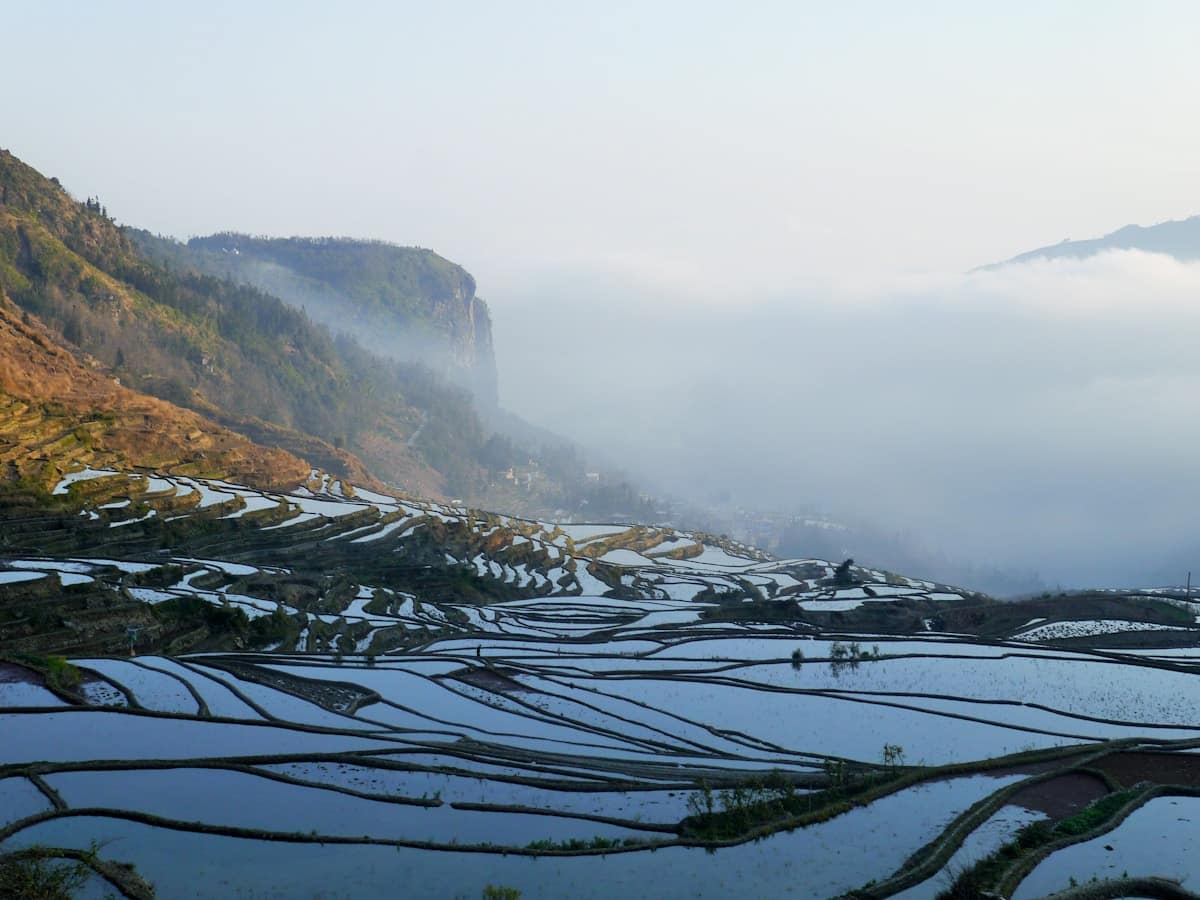
1. The Yunnan-Tibet Overland: Kunming to Lhasa (12-15 Days)
This is the most spectacular overland route in China. You start in Kunming, drive northwest through Dali and Lijiang, then climb onto the Tibetan plateau via the G318 national road — the same route as the Sichuan-Tibet highway, which we have written about in detail. The scenery shifts from tropical valleys to alpine meadows to Himalayan peaks over the course of four days.
The route: Kunming (1 day) — Dali (2 days) — Lijiang (2 days) — Tiger Leaping Gorge (1 day hike) — Shangri-La (2 days acclimatize at 3,200m) — Deqin/Meili Snow Mountain (1 day) — Markam (1 day) — Bomi (1 day) — Nyingchi (1 day) — Lhasa (2-3 days).
Logistics: You need a Tibet Travel Permit regardless of nationality, arranged through a licensed agency. The overland route is usually done with a private driver and guide in a 4WD vehicle. Self-driving is technically possible but the permit process is complex and road conditions can be unpredictable above 4,000 meters.
Budget: $2,000-3,500 per person including the 4WD, guide, permits, and accommodation. This is not a budget route — but for the scenery alone, it justifies the cost.
2. The Silk Road by Train: Xi’an to Kashgar (10-14 Days)
The ancient Silk Road runs through Gansu and Xinjiang provinces — desert landscapes, Buddhist cave temples, and a cultural mix that is half Chinese, half Central Asian. China’s sleeper trains make this route possible without flying, and the overnight rides between cities are part of the experience.
The route: Xi’an (2 days) — Lanzhou (1 day, eat beef noodles) — Jiayuguan (1 day, western end of the Great Wall) — Dunhuang (2 days, Mogao Caves and sand dunes) — Turpan (2 days, oasis ruins and grape valleys) — Kashgar (3 days, Uyghur old city and Sunday market).
Why it is different: Eastern China is Han Chinese. The Silk Road is not. In Kashgar, you hear Uyghur spoken in the streets, eat lamb kebabs with naan bread, and watch traders haggle over sheep at the livestock market. The architecture, the food, the people — it feels like a different country. Because historically, it was.
Budget: $800-1,200 if you take trains and stay in guesthouses. Add $300-500 if you hire a guide at the Mogao Caves and for Kashgar’s old city.
3. Guizhou Minority Villages: Guiyang to Zhaoxing (6-8 Days)
Guizhou is the most underrated province in China for adventure travel. It has karst scenery to rival Guilin, budget prices that make it one of the cheapest provinces to tour, and dozens of ethnic minority villages where traditional life continues largely unchanged.
The route: Guiyang (1 day) — Kaili (2 days, Miao villages) — Xijiang Qianhu Miao Village (1 day) — Zhaoxing Dong village (2 days) — Congjiang and Basha Miao village (1 day) — return to Guiyang.
What makes this special: The Miao and Dong people have lived in these mountains for centuries. The Dong villages have drum towers and wind-and-rain bridges built without a single nail. The Miao women wear silver jewelry that weighs several kilograms during festivals. You can stay in village guesthouses for $10-15/night and eat home-cooked meals with your host family. There are no tour buses here — just mountain roads and village paths.
Budget: $300-500 for 6-8 days. Guizhou is one of China’s cheapest provinces for travel.
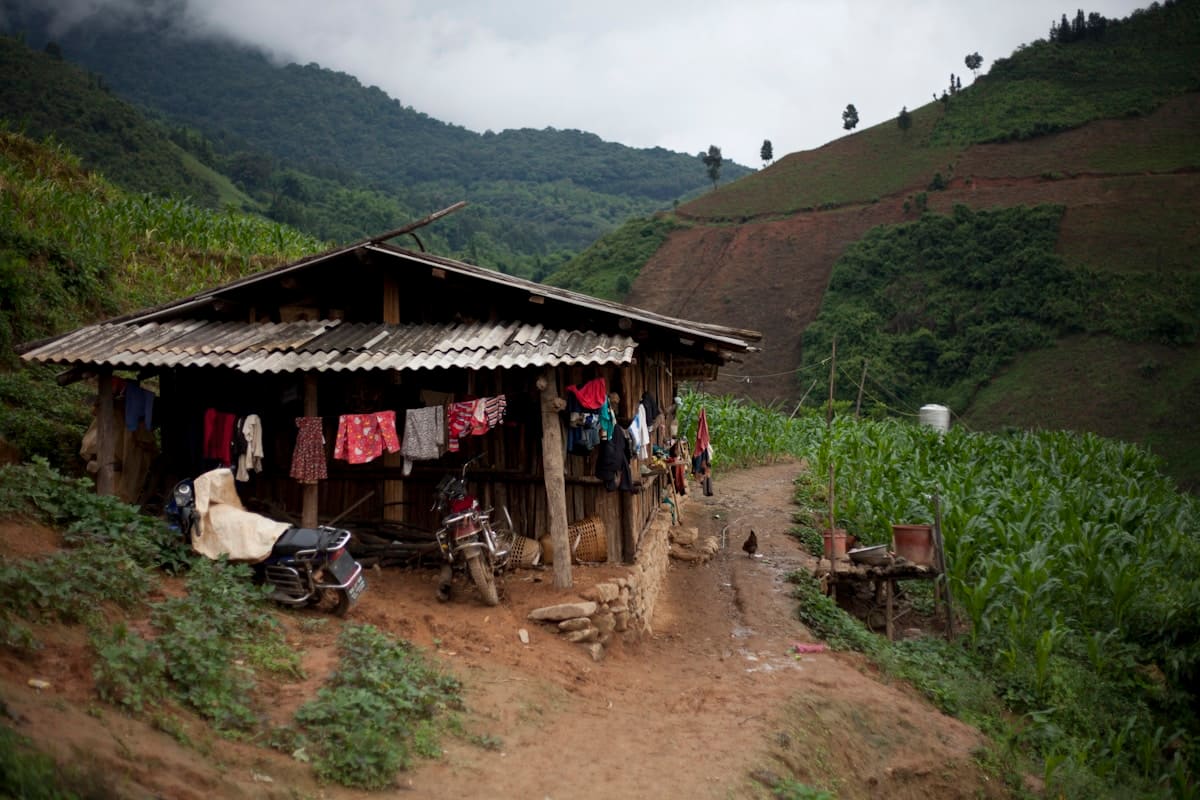
4. The Fujian Coast: Xiamen to the Tulou Earth Buildings (5-7 Days)
Fujian province gets almost zero international tourism, which is remarkable given what it has. Xiamen is a pleasant coastal city with colonial architecture on Gulangyu Island. The real draw, though, is the tulou — massive earthen buildings that housed entire clans, some with 400 years of continuous occupation.
The route: Xiamen (2 days, Gulangyu Island) — Nanjing or Yongding tulou clusters (2-3 days) — Quanzhou (1-2 days, maritime museum and ancient mosque) — return to Xiamen.
The tulou: These are not small buildings. The largest, Chengqilou, has 400 rooms arranged in concentric circles, with a single entrance and walls 1.5 meters thick. They were designed for defense — families lived communally, with each branch occupying one floor of the ring. You can stay inside some of them (basic guesthouses, $15-25/night) and wake up to the sound of roosters and breakfast cooking on wood fires.
Budget: $350-600 for 5-7 days. Fujian is affordable and the food — particularly the seafood and Hakka dishes — is outstanding.
5. Xinjiang’s Northern Route: Urumqi to Kanas (8-10 Days)
Xinjiang is China’s wild northwest — a province the size of Alaska populated by Kazakhs, Uyghurs, Mongols, and Han Chinese. The northern route goes through grasslands, alpine lakes, and forests that look more like Switzerland than anything you associate with China.
The route: Urumqi (1 day) — Burqin (1 day) — Kanas Nature Reserve (2-3 days) — Hemu village (2 days) — Sayram Lake (1 day) — return to Urumqi.
Why this route: Kanas Lake is fed by glaciers and changes color through the year — emerald in spring, deep blue in summer, golden in autumn. The surrounding forests are home to Kazakh herders who move their livestock between seasonal pastures. Hemu is a wooden-village settlement in a valley so beautiful it looks staged. The drive between them passes through mountain passes above 2,000 meters with views that stretch for 100 kilometers.
Important note: Xinjiang has significant security checkpoints. Carry your passport at all times. Some areas require advance permits. Check current travel advisories before planning this route, as conditions can change.
Budget: $700-1,200 for 8-10 days. Long drives between destinations mean you will spend more on transport than in other provinces.
6. The Yangtze Gorges and Shennongjia: Chongqing to Yichang (5-7 Days)
Most Yangtze River tours are cruise-ship operations that cost a fortune and deliver a sanitized version of the gorges. This alternative route combines the Three Gorges with Shennongjia — a UNESCO nature reserve that is one of the most biodiverse areas in China and reportedly home to the “wild man” of Chinese folklore (no, there is no wild man, but the forests are spectacular).
The route: Chongqing (1 day) — Yangtze River cruise or ferry through the Three Gorges (2 days) — Yichang (1 day, Three Gorges Dam) — Shennongjia (2-3 days) — return to Yichang or continue to Wuhan.
Why it is different: The Three Gorges — Qutang, Wu, and Xiling — are dramatic even after the dam raised the water level. But instead of a luxury cruise, take the local ferry from Chongqing. It costs about $50 instead of $500, the passengers are Chinese workers and traders rather than tourists, and the experience is more authentic. Then detour to Shennongjia for hiking through primeval forest with zero crowds.
Budget: $400-700 for 5-7 days. The local ferry is the key budget saver.
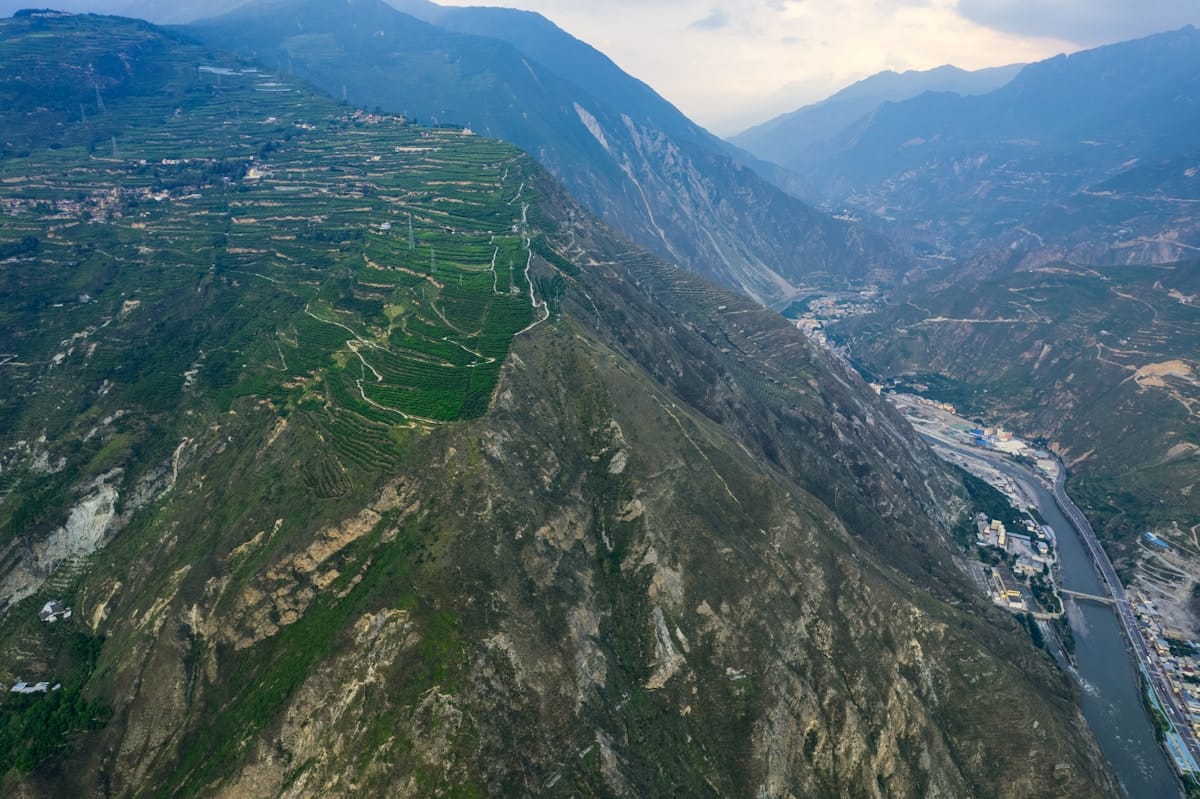
Planning Your Adventure China Tour
These routes require more preparation than the standard Beijing-Shanghai circuit. A few practical points:
Permits: Tibet requires a travel permit. Parts of Xinjiang have restricted areas. Check permit requirements for your specific route before booking anything.
Language: English is rare on these routes. Download Baidu Translate with the offline Chinese pack, and consider hiring local guides for key segments — a Dong village guide in Guizhou or a Uyghur-speaking guide in Kashgar transforms the experience.
Seasonal timing: The Yunnan-Tibet route is only reliably passable from May to October. Xinjiang’s north is best from June to September. Guizhou and Fujian are year-round. The Silk Road is punishing in summer (45 degrees Celsius in Turpan) and cold in winter — go in spring or autumn.
Transport: Renting a car with a driver is the best option for most of these routes. Self-driving in China requires a Chinese driver’s license. Long-distance buses exist but schedules are unpredictable and comfort is basic.
The best China tours are the ones that take you somewhere you did not already see on Instagram. These six routes do exactly that.
For classic first-timer itineraries with logistics breakdowns, see 7 China tour itineraries that actually work at TravelInChina.
Photos courtesy of Unsplash