
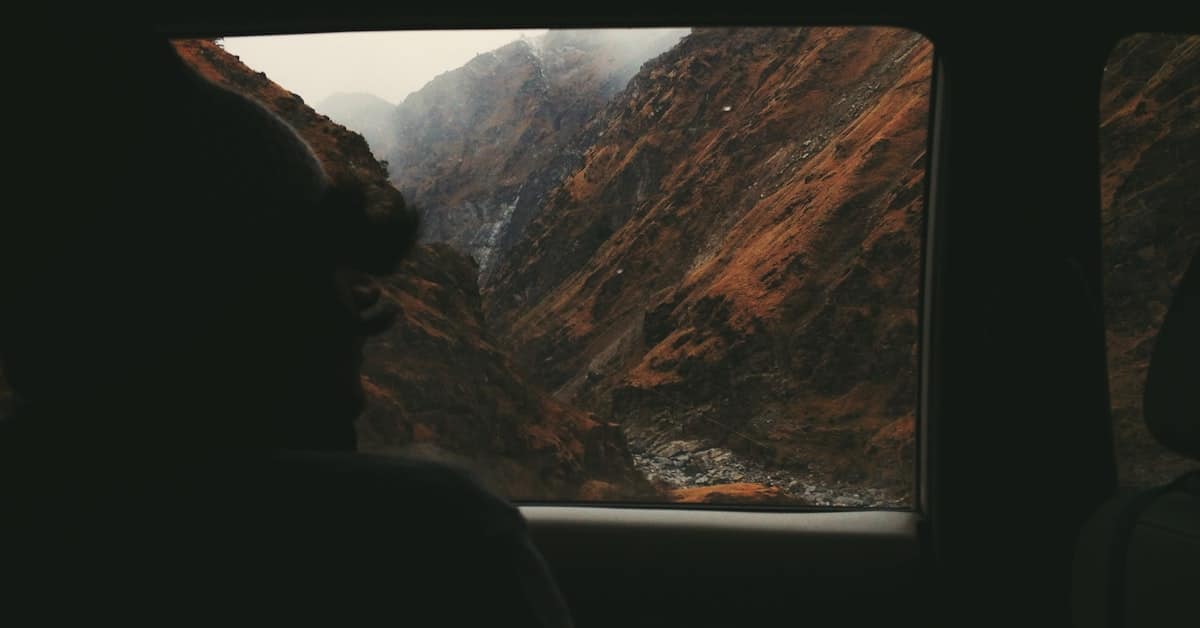
The overnight train from Chengdu to Kunming leaves at 9:47pm. By 10:15, the corridor lights dim, the rhythmic clack of the rails settles into a steady pulse, and somewhere in the next bunk a man is already snoring. You wake up at 6am to rolling green hills outside the window, the attendant walking the aisle with a cart of instant noodles, and the realization that you just traveled 800 kilometers while you slept — for about $25.
That is the case for sleeper trains in China. They are not glamorous. The mattresses are thin, the bathrooms are basic, and if you are over 180cm the beds will feel like a coffin. But they work. They save you a night of hotel costs, they deposit you in the center of your next city, and some of the routes pass through scenery you simply cannot see from 10,000 meters up.
Hard Sleeper vs Soft Sleeper vs High-Speed
Hard Sleeper (Yingwo)
Open bays of six beds (three tiers on each side) with no door. A thin mattress, a small pillow, a cotton blanket. The corridor runs along one side, so there is foot traffic and noise. But it is cheap — typically ¥150-300 ($20-42) for an overnight trip — and it is where you meet people. Chinese travelers are friendly on trains. Someone will offer you sunflower seeds, someone else will want to practice English, and by morning you will know half the car.
The middle bunk is the sweet spot. Top bunk has zero headroom and feels claustrophobic. Bottom bunk gets used as a communal seat during the day by everyone in the bay. Middle is high enough for privacy and low enough that climbing in is not an acrobatic feat.
Soft Sleeper (Ruanwo)
Four beds in a closed compartment with a door that locks. Thicker mattresses, actual pillows, reading lights, and a power outlet. Costs ¥300-500 ($42-70). Worth it if you value sleep over socializing, or if you are traveling as a couple and want privacy.
High-Speed Sleeper (Dongche Ruanwo)
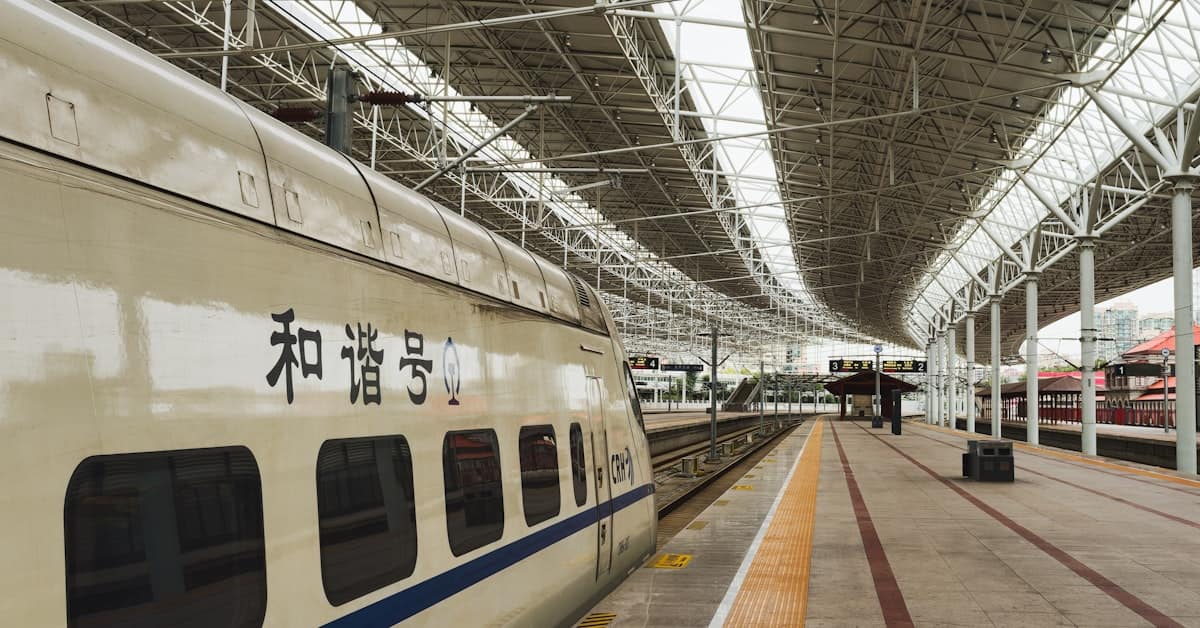
These run on the newer high-speed lines. Faster (covering in 8 hours what a regular train does in 14), smoother, and quieter. Soft sleeper only. The catch: they are more expensive (¥400-700) and they run on fewer routes.
Booking Train Tickets as a Foreigner
Where to Book
- Trip.com — the easiest option for foreigners. English interface, accepts foreign credit cards, small booking fee (¥20-30). You get an e-ticket with a pickup number.
- 12306.cn — the official site. Now accepts foreign passports but the interface is only in Chinese. Use a browser translator.
- Station ticket window — always possible, but you risk sold-out trains during peak season. Bring your passport.
When to Book
Tickets go on sale 15 days before departure. Popular routes (Beijing-Xi’an, Chengdu-Chongqing, Shanghai-Hangzhou) sell out within hours during weekends and holidays. Set a reminder for exactly 15 days before your travel date and book the moment tickets open.
What You Need
Your passport. Not a copy — the physical passport. Ticket checks at the station match your face to your passport to your ticket. If you book through Trip.com, you will get a confirmation number; show this along with your passport at the station ticket counter or self-service machine to print your ticket.
The 5 Best Sleeper Train Routes in China
1. Chengdu to Kunming (Regular: 12 hours / High-speed: 6 hours)
This is the one I described at the start. The regular train winds through the mountains of southern Sichuan and northern Yunnan — rice terraces, river valleys, villages that look like they have not changed in centuries. The high-speed version takes a more direct route but still serves up views. Kunming is the gateway to Yunnan, our favorite province in China.
2. Beijing to Xi’an (Regular: 11-14 hours / High-speed: 4.5 hours)
The classic route. Fall asleep in Beijing, wake up within striking distance of the Terracotta Warriors. The regular train departs around 8-9pm and arrives around 8-9am. Hard sleeper: about ¥260. From Xi’an, you can continue south to Chongqing on another overnight train.
3. Shanghai to Guilin (Regular: 18 hours / High-speed: 9 hours)
A long ride, but the last few hours as the train enters Guangxi province are stunning — the flat farmland gives way to karst peaks popping out of the earth like something from a painting. The regular train hard sleeper costs about ¥350. The high-speed version is faster but costs ¥500+ and you lose the overnight experience.
4. Chongqing to Guiyang (Regular: 9 hours)
A shorter route through the mountains of Guizhou province. The landscape here is dramatic — deep river gorges, cliff-side roads, and tunnels that seem to go on forever. Hard sleeper: ¥150. Arrive in Guiyang hungry — Guizhou’s sour-and-spicy cuisine is one of China’s most underrated.
5. Guangzhou to Lhasa (48 hours)
The holy grail of Chinese train journeys. Two full days and nights crossing the country — from the subtropical south, through the mountains of Qinghai, and onto the Tibetan plateau at 4,500 meters. You need a Tibet Travel Permit (arranged through a tour agency), and oxygen is pumped into the carriages above 4,000 meters. Hard sleeper: about ¥900. This is not a casual trip — but if you do it once, you will never forget it.
Survival Guide: What to Expect on a Chinese Sleeper Train
Food and Drink
Every train has a dining car serving basic Chinese meals (fried rice, noodle soup, stir-fried vegetables) for ¥20-40. The food is acceptable, not great. Better option: stock up before boarding. Convenience stores in every station sell instant noodles (¥5), sunflower seeds, sausages, and fruit. Every carriage has a hot water dispenser — this is why every Chinese person carries a thermos.
Bathrooms
Squat toilets. Western-style seats exist on some newer high-speed sleepers, but assume squat. Bring your own toilet paper — it runs out by mid-morning. The bathrooms are cleaned periodically but between cleanings, they get rough. Go early or hold it.
Security
China’s trains are very safe. Petty theft is rare but not unheard of — keep your passport, wallet, and phone on you or in your pillow at night. The compartment door in soft sleeper locks from inside. In hard sleeper, there is no door, so keep valuables close.
What to Pack
- Earplugs and an eye mask — non-negotiable. The snoring, the corridor lights, the early-morning announcements.
- A power bank — older trains have no outlets in hard sleeper. Soft sleeper has one outlet per compartment. Charge everything before boarding.
- Slip-on shoes — you will be climbing up and down from your bunk, going to the bathroom, and walking to the dining car. Lace-up shoes are a hassle.
- Wet wipes and hand sanitizer — the bathroom situation.
- A thermos — fill it with hot water from the carriage dispenser. Make instant noodles, tea, or coffee.

Sleeper Train vs High-Speed: When to Choose Which
Take the sleeper when:
- The journey is over 8 hours and runs overnight
- You want to save on a hotel night
- The route passes through interesting scenery
- You are on a tight budget (sleeper is often cheaper than high-speed + hotel)
Take high-speed when:
- The journey is under 6 hours — day travel makes more sense
- You have limited time and want to maximize sightseeing hours
- You are a light sleeper who cannot handle noise
- The route is mostly flat and featureless (looking at you, Beijing-Shanghai)
The Honest Truth
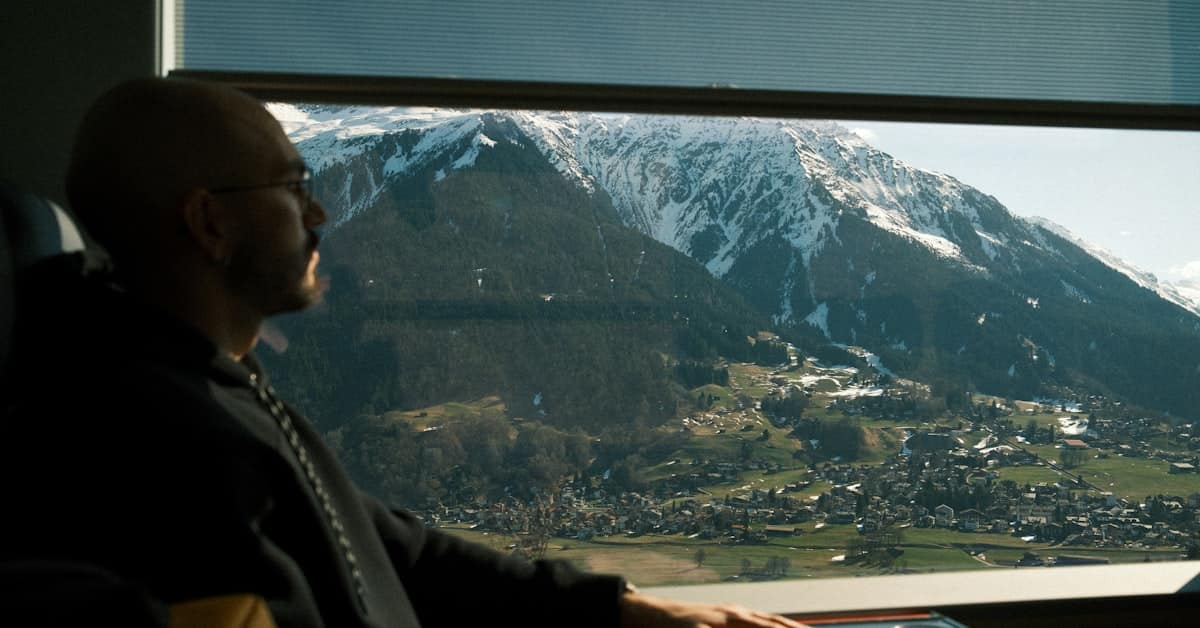
If you are the kind of traveler who needs silence, clean bathrooms, and eight uninterrupted hours of sleep, the sleeper train will test you. But if you can tolerate a bit of discomfort in exchange for an experience — the morning light through the window, the shared instant noodles with strangers, the low rumble of the rails — then a Chinese sleeper train is one of the most authentic travel experiences you can have in this country.
Photos courtesy of Unsplash
