
Chinese food is not one cuisine. It is a continent-sized collection of regional traditions shaped by climate, history, trade, agriculture and migration. Travelers who arrive expecting only fried rice, dumplings and sweet-and-sour dishes miss the real adventure. This guide introduces eight major Chinese cuisines and explains what to order, where to try them and how to choose dishes even when the menu is confusing.
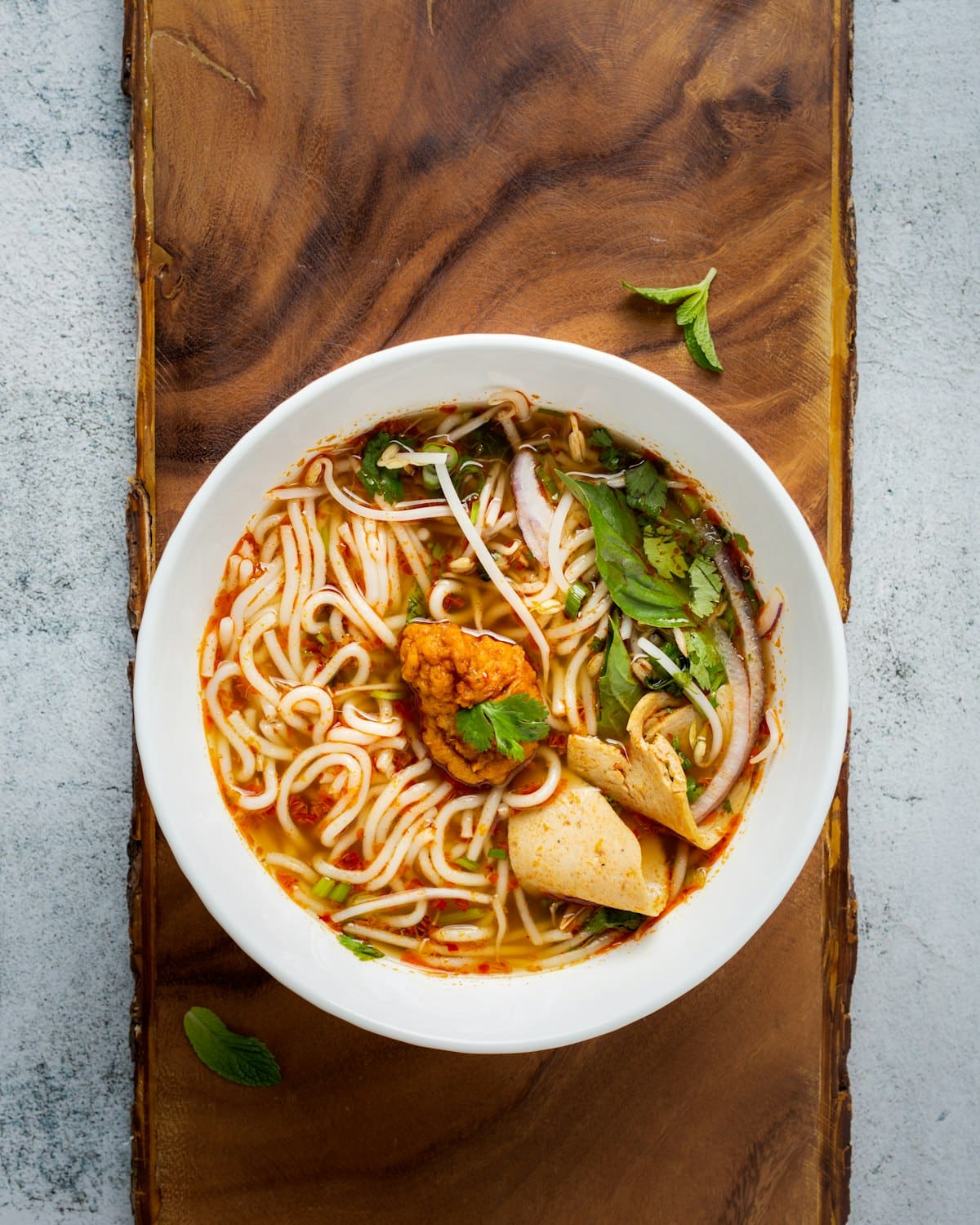
1. Sichuan Cuisine: Spicy, Numbing and Addictive
Sichuan food is famous for chili heat and the numbing sensation of Sichuan peppercorn, but it is more balanced than outsiders expect. The cuisine uses layers of flavor: spicy, fragrant, sour, sweet, smoky and savory. Good starting dishes include mapo tofu, kung pao chicken, dan dan noodles, twice-cooked pork and dry-fried green beans. Hot pot is the social centerpiece, especially in Chengdu and Chongqing.
2. Cantonese Cuisine: Fresh, Subtle and Dim Sum Friendly
Cantonese food from Guangdong is one of the most internationally known Chinese cuisines, but it tastes different at the source. The emphasis is freshness, texture and clean flavors. Dim sum is the easiest entry point: shrimp dumplings, siu mai, barbecue pork buns, rice noodle rolls and egg tarts. Roast goose, wonton noodles and steamed fish are also classics.
3. Shandong Cuisine: Northern Roots and Seafood
Shandong cuisine influenced imperial cooking and many northern Chinese flavors. It is known for seafood, soups, wheat-based foods and strong savory notes. Look for braised sea cucumber, sweet-and-sour carp, scallion pancakes and dumplings. In northern cities, you will often taste Shandong influence even if the restaurant does not advertise it.
4. Jiangsu Cuisine: Elegant, Soft and Slightly Sweet
Jiangsu cuisine is refined and often associated with careful knife work, slow cooking and beautiful presentation. It is common around Nanjing, Suzhou and Yangzhou. Dishes may be softer and sweeter than western travelers expect. Try lion’s head meatballs, Yangzhou fried rice, salted duck and delicate river fish dishes.
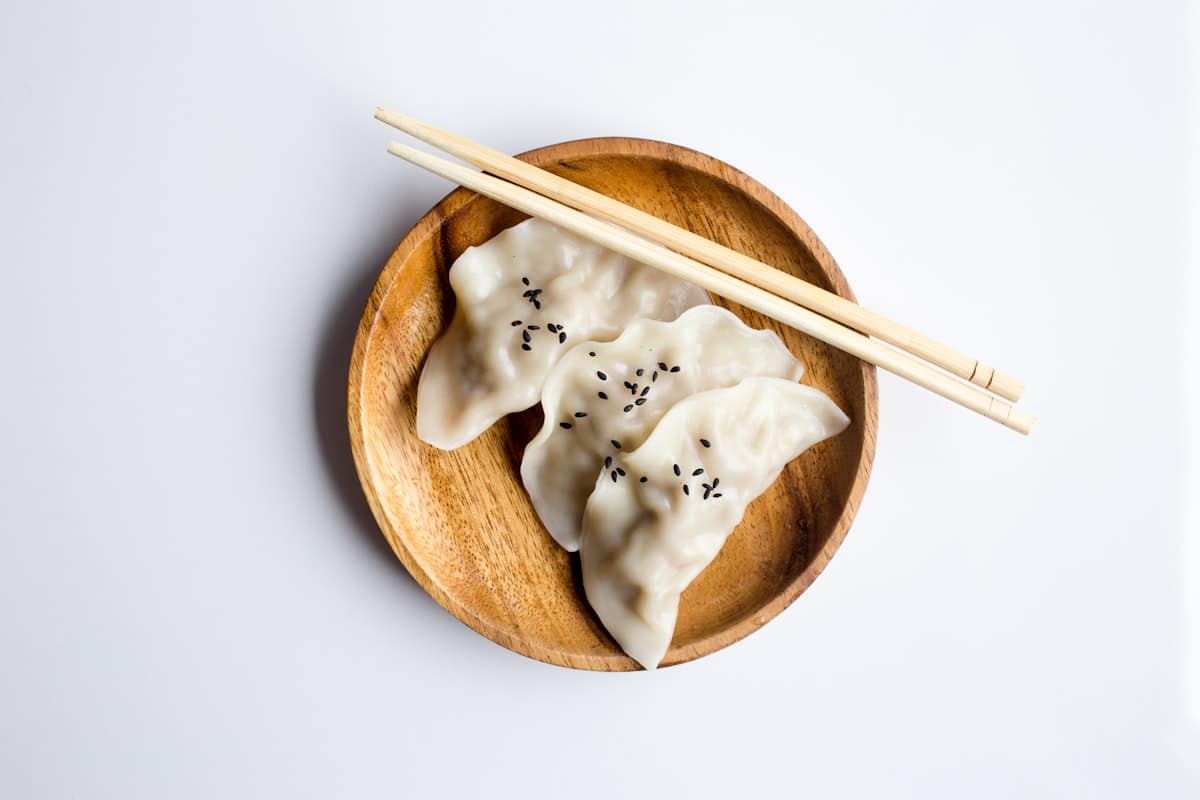
5. Zhejiang Cuisine: Light Flavors from Hangzhou and the Coast
Zhejiang cuisine is fresh, light and often connected with lakes, rivers and coastal ingredients. Hangzhou is the best-known destination for travelers. Try West Lake vinegar fish, Dongpo pork, Longjing shrimp and beggar’s chicken. Tea culture also shapes the dining atmosphere, making Zhejiang a good region for slow meals and scenic restaurants.
6. Fujian Cuisine: Soups, Seafood and Mountain-Sea Balance
Fujian cuisine combines coastal seafood with mountain ingredients. It is known for soups, umami-rich broths and fermented flavors. The famous dish Buddha Jumps Over the Wall is elaborate and expensive, but everyday Fujian food can be simple and comforting. Xiamen snacks, oyster omelets and fish balls are more practical for most travelers.
7. Hunan Cuisine: Hot, Sour and Direct
Hunan food is often spicier in a sharper way than Sichuan food. It uses fresh chilies, smoked meats, pickled vegetables and bold seasoning. Try steamed fish head with chopped chili, smoked pork with leeks and stir-fried dishes loaded with fresh peppers. If you love heat but not Sichuan peppercorn numbness, Hunan may become your favorite.
8. Anhui Cuisine: Rustic Mountain Cooking
Anhui cuisine is less famous internationally but deeply tied to mountain ingredients, wild herbs, bamboo shoots, mushrooms and slow braising. It is a good match for travelers visiting Huangshan or old villages in southern Anhui. Expect earthy flavors and hearty dishes rather than flashy presentation.
How to Order When You Do Not Read Chinese
- Use translation apps, but confirm spice level and portion size.
- Order one vegetable dish, one protein dish and one staple such as rice or noodles.
- Look for pictures on the menu or review apps.
- Ask for “bu la” if you want no chili, or “wei la” for mildly spicy.
- If eating alone, choose noodle shops, dumpling restaurants or set meals.
Best Cities for Food Travelers
Chengdu and Chongqing are essential for Sichuan flavors. Guangzhou is one of China’s best food cities for dim sum and Cantonese cooking. Shanghai is convenient for sampling many regional cuisines in one city. Xi’an is excellent for noodles, lamb, Muslim Quarter snacks and wheat-based comfort food. Hangzhou is ideal for lighter eastern Chinese dishes and tea culture.
Related Reading
Plan your food route with DragonRoam’s two-week China itinerary. For budget planning, see best budget destinations in China. If you are choosing a first city, compare options in the Chengdu guide and other destination articles.
Final Bite
The best Chinese meal is not always the most famous one. It might be a bowl of noodles near a train station, a dim sum breakfast in Guangzhou, a spicy hot pot night in Chongqing or a quiet tea-season lunch in Hangzhou. Follow regions, not stereotypes, and Chinese food becomes one of the main reasons to travel, one memorable table at a time.
Food Tours in China: Which Regions to Prioritize
If you are planning a food tour of China, not all regions are equal. Sichuan and Hunan deliver the most dramatic flavors — numbing spice, smoky heat, dishes that make you sweat and reach for more. Guangdong is where to go for refined technique: dim sum, roast meats, and seafood so fresh it was swimming an hour ago. Jiangsu and Zhejiang offer subtlety — braised meats, sweet-and-sour fish, and soup dumplings that require years of practice to fold. For street food intensity, nowhere beats Xi’an’s Muslim Quarter or Changsha’s night markets. A good food tour of China does not try to cover all eight cuisines in one trip. Pick two or three neighboring provinces, eat everything, and come back for the rest.
