
Chengdu is famous for three things that, on the surface, couldn’t be more different: mysterious 3,000-year-old bronze masks, impossibly cute giant pandas, and food so spicy it makes your lips tingle. Yet all three define this city and make it one of the most compelling destinations in China. Here’s your guide to experiencing Chengdu’s "Triple Treasures."
1. Sanxingdui: China’s Bronze Age Mystery
In 1986, farmers digging a well in Guanghan, just 40km north of Chengdu, stumbled upon one of the greatest archaeological discoveries of the 20th century. The Sanxingdui Ruins revealed a sophisticated Bronze Age civilization — the ancient Shu Kingdom — that had been entirely unknown to historians.
The artifacts are baffling and beautiful: a towering 2.62-meter Bronze Standing Figure believed to represent a divine king, the iconic Mask with Protruding Eyes that stares at you across 3,000 years, and an elaborate 3.95-meter Bronze Sacred Tree with nine birds perched in its branches. None of these bear any resemblance to artifacts from China’s Yellow River civilizations — suggesting an independent cultural tradition that thrived along the Yangtze.
The new exhibition hall, opened in 2023, displays over 1,500 relics in a stunning modern space. The museum is now jointly applying with Jinsha Site for UNESCO World Heritage status. Entry is ¥72 and the museum is open 8:30 AM-6 PM daily. Take Metro Line 3 to Sanxingdui Station then a short taxi ride. Plan at least 3-4 hours — this place demands slow exploration.
For context on Sichuan’s broader history, see our complete Chengdu travel guide.
2. Giant Pandas: Chengdu’s Beloved Ambassadors
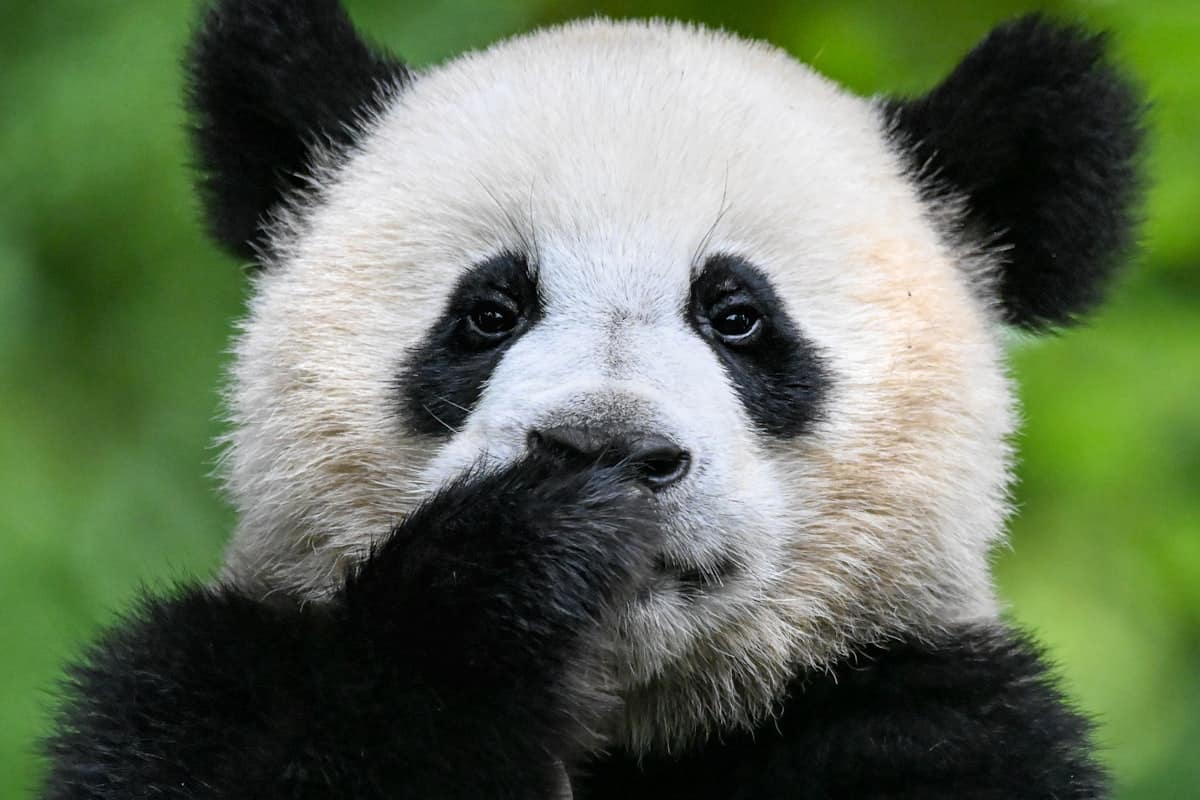
No trip to Chengdu is complete without visiting the Chengdu Research Base of Giant Panda Breeding. Home to over 100 giant pandas, this 247-acre facility is essentially panda paradise — bamboo groves, gentle slopes, and climate-controlled nurseries where newborn cubs (pink, hairless, and about the size of a stick of butter) are cared for by dedicated staff.
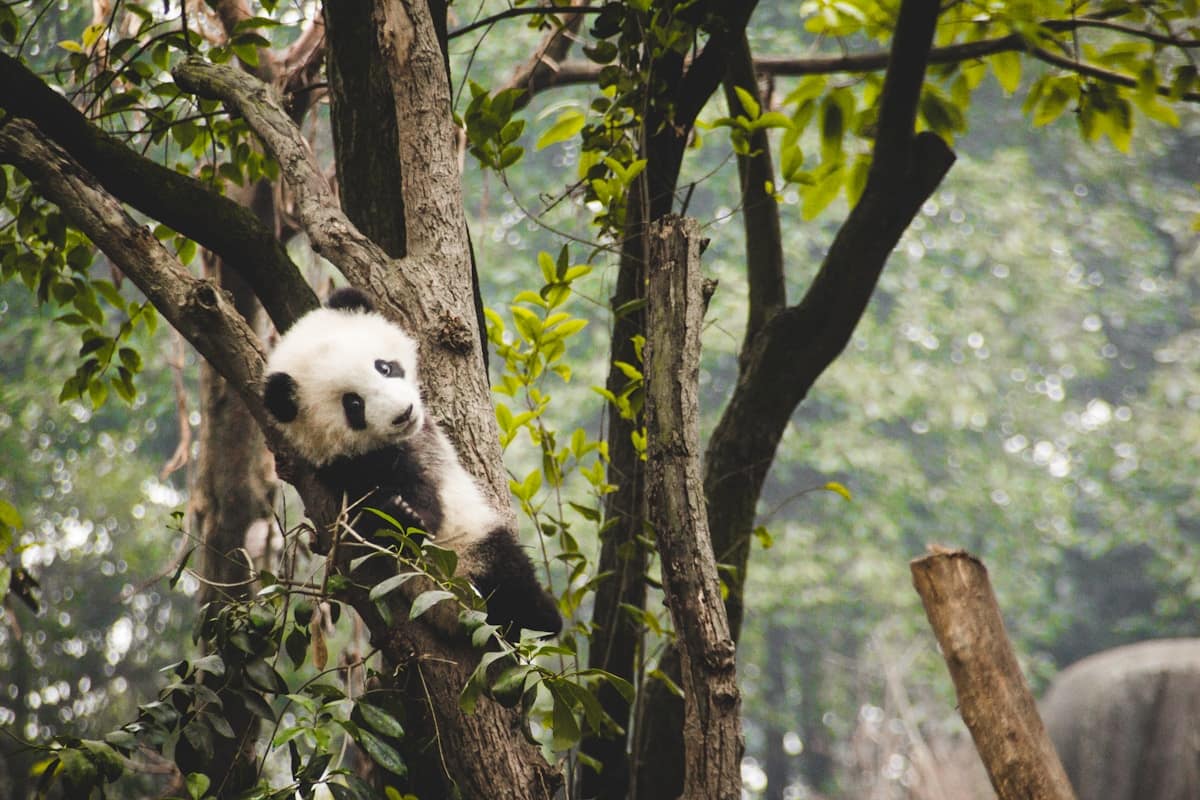
The golden rule: arrive by 8:00 AM. Pandas are most active during the morning feeding window (8:30-9:30 AM). By 10:00 AM, most will be sprawled in trees, sound asleep. Watching a panda methodically strip and chew bamboo — they eat 12-38 kg per day — is unexpectedly meditative. The cub enclosure is the star attraction; watching a half-dozen panda cubs tumble over each other is pure joy.
Entry: ¥55. For a deeper experience, book the Dujiangyan Panda Base volunteer program (¥700, 1 hour away). You’ll clean enclosures, prepare bamboo, and get closer to pandas than most people ever will. Book weeks in advance through the official website.
3. Sichuan Cuisine: More Than Just Spice
Chengdu is a UNESCO City of Gastronomy, and Sichuan cuisine is built on the philosophy of complex compound flavors — the famous málà (numbing-spicy) is just one of 24 recognized flavor profiles. Here’s what you must seek out:
- Mapo Tofu: Silky tofu cubes swimming in a fiery red sauce of doubanjiang (fermented broad bean paste), minced beef, and Sichuan peppercorns that leave a tingling numbness on your tongue.
- Kung Pao Chicken: The real version bears little resemblance to Western takeout — it’s a perfect balance of sour, sweet, savory, with dried chilies adding heat and roasted peanuts providing crunch.
- Dan Dan Noodles: A humble street food of wheat noodles topped with minced pork, preserved vegetables, and a slick of chili oil. Find it for ¥10-15 at any noodle shop.
- Hotpot: Go to Shu Daxia or Xiaolongkan for the real deal. Order the yuan-yang (half-spicy, half-mild) pot if you’re not ready for full fire.
Pro tip: The best food in Chengdu isn’t in fancy restaurants — it’s in the (fly restaurants), tiny hole-in-the-wall joints with plastic stools, handwritten menus, and food that will ruin you for Sichuan restaurants back home forever.
Practical Tips
- Getting there: Chengdu Shuangliu International Airport (CTU) is 16km from downtown. Metro Line 10 connects directly.
- Best season: March-June and September-November. Summers are hot and humid.
- Language: English is less common here than in Beijing or Shanghai — download a translation app.
- Budget: Incredibly affordable. A feast of Sichuan dishes costs ¥60-100 per person.
For travel beyond Chengdu, explore our Chongqing guide — just 1.5 hours by high-speed train — or venture into the Tibetan foothills on our West Sichuan road trip.
