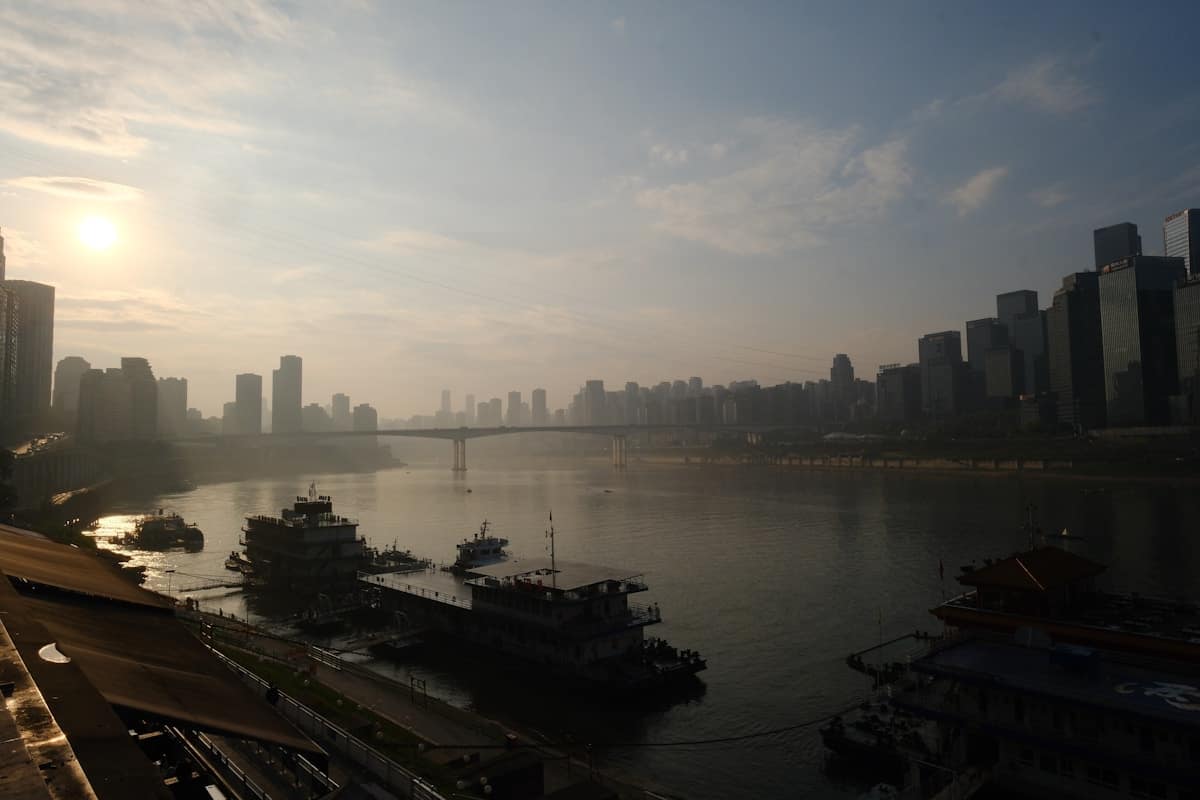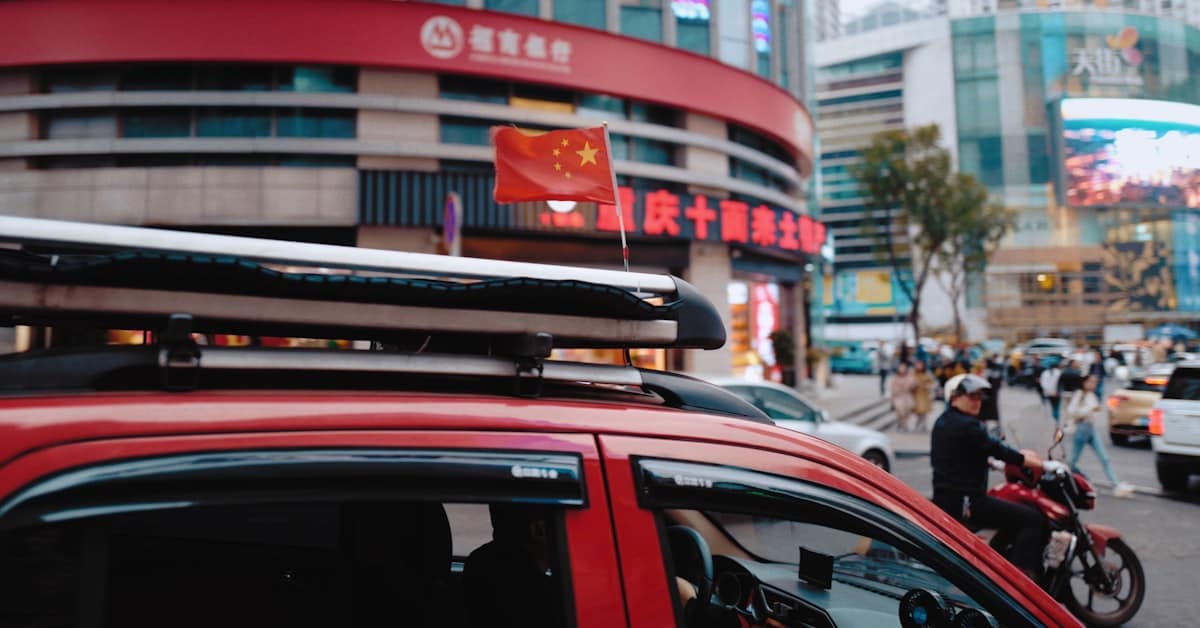

If you think you know Chinese cities, Chongqing will blow your mind. This sprawling megacity of 32 million people is built on mountains, split by two mighty rivers, and connected by a dizzying network of bridges, monorails, and staircases that earned it the nickname "Asia’s Cyberpunk Wonderland." But beyond the neon-lit skyline lies a city with 3,000 years of history, UNESCO-listed rock carvings, and the spiciest food in China. This guide covers everything you need to know.
Why Chongqing is Unlike Any Other Chinese City
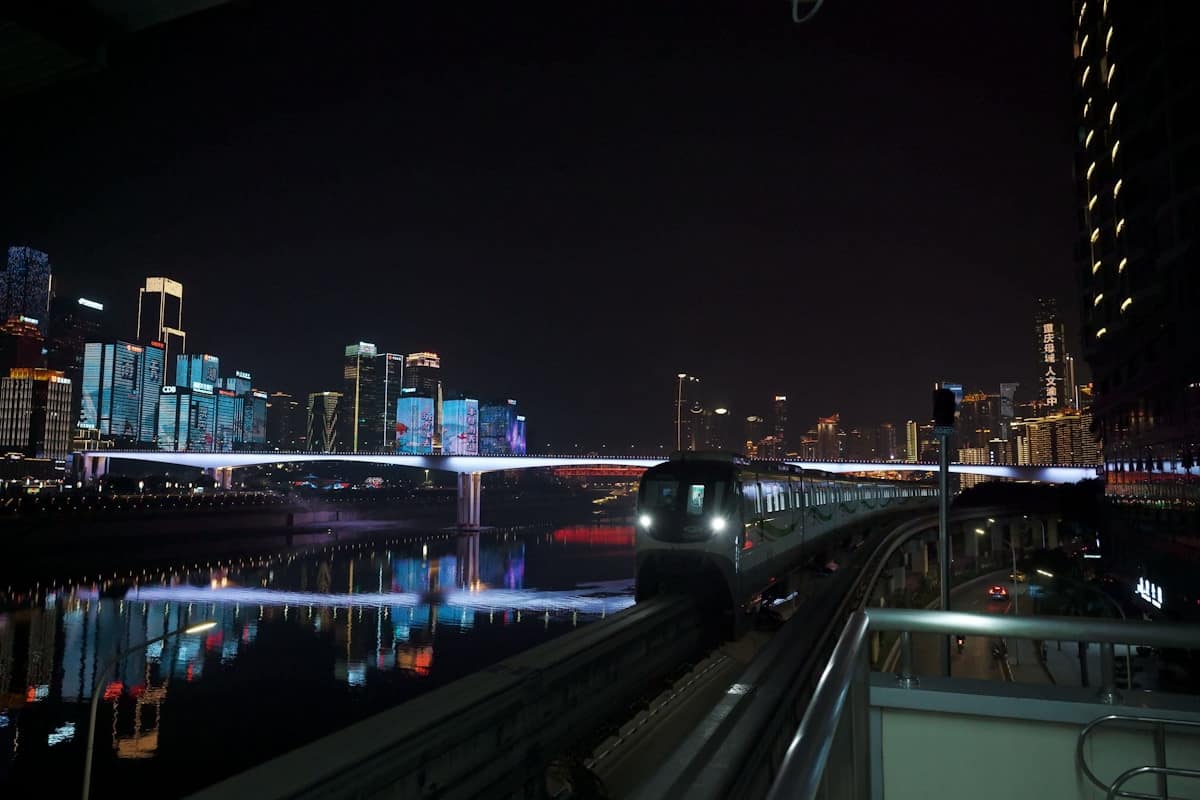
Chongqing is one of China’s four direct-controlled municipalities (alongside Beijing, Shanghai, and Tianjin), but it feels worlds apart. The city is famous for its vertical layout — buildings are stacked on hillsides, roads weave through buildings, and the light rail sometimes passes directly through apartment blocks. It’s the only major Chinese city where you can be on the 1st floor of one building and the 22nd floor of another at the same time — just by crossing a bridge.
The city’s geography also makes it notoriously foggy. With an average of 100 foggy days per year, Chongqing has a moody, atmospheric quality that photographers love. This also means summers are brutally hot and humid — locals call it one of China’s "Three Furnaces" alongside Wuhan and Nanjing. I learned this firsthand the day Chongqing hit 41C in July and I bailed for Yunnan within 24 hours.
Top Attractions in Chongqing
Hongyadong (Hongya Cave)
If you’ve seen photos of a glowing, multi-tiered stilt-house complex clinging to a cliffside, that’s Hongyadong. This 11-story architectural marvel looks like something out of Spirited Away at night when it’s fully illuminated. Inside, you’ll find restaurants, souvenir shops, and bars with riverside views. Go after sunset for the iconic photo from the Qiansimen Bridge.
Practical tip: Hongyadong gets extremely crowded. For a less frantic experience, visit on a weekday evening, or skip the interior and just enjoy the view from across the river.
Ciqikou Ancient Town
Dating back to the Ming Dynasty, Ciqikou was once a bustling porcelain trading port. Today, its narrow stone streets are lined with tea houses, snack stalls, and artisan workshops. Try the local mahua (fried dough twists) and watch Sichuan opera performers in traditional makeup. Arrive early in the morning to experience Ciqikou before the tour groups descend.
Yangtze River Cableway
For just ¥20 one-way, you can glide across the Yangtze River in a bright red cable car suspended high above the water. It was originally built as public transport, but today it’s one of the most unique city views you’ll ever experience. Insider tip: take it from south to north around sunset for golden-hour photos of the skyline.
Dazu Rock Carvings (UNESCO)
About 2 hours west of Chongqing, the Dazu Rock Carvings are a UNESCO World Heritage site featuring over 50,000 Buddhist, Taoist, and Confucian stone carvings dating from the 9th to 13th centuries. Unlike the Mogao Caves in Dunhuang, Dazu is remarkably uncrowded. The Baodingshan section is the highlight — plan at least 3 hours to explore.
Chongqing Hotpot: The Soul of the City
You haven’t experienced Chongqing until you’ve sweated through a hotpot dinner. Chongqing-style hotpot is legendary for its numbing-spicy broth, loaded with Sichuan peppercorns and dried chilies that create a tingling, addictive sensation known as málà. Classic ingredients include thinly sliced beef, tripe, duck intestine, lotus root, and tofu skin.
Where to eat: Skip the tourist traps near Hongyadong and head to a local chain like Liu Yishou or Xiaolongkan. Expect to pay ¥80-120 per person. And yes — you dip everything in a small bowl of sesame oil and garlic, not soy sauce.
Day Trips from Chongqing
Just 2-3 hours outside the city, you’ll find the Wulong Karst National Geology Park, famous for its three natural stone bridges and the massive Houping Tiankeng sinkhole. Parts of Transformers: Age of Extinction were filmed here. Combine it with a visit to Fairy Mountain National Forest Park for alpine meadows and horseback riding, or push west into Guizhou for an entirely different scale of karst country — my three days in Guizhou covered waterfalls, rice wine, and a bus ride I would not repeat — a surreal contrast to the urban jungle of Chongqing.
Getting Around
Chongqing’s metro system is efficient and extensive, with 11 lines connecting most major areas. The monorail Line 2 is a ride in itself — it passes through buildings and offers stunning river views. Taxis are cheap (starting at ¥10), but be prepared for some of the most aggressive driving in China. Ride-hailing via Didi is recommended for comfort. Google Maps will not work here — I rely on Amap or Apple Maps with offline tiles, the same setup covered in my China navigation app guide.
Where to Stay
- Jiefangbei area: The city center, walking distance to Hongyadong and the Liberation Monument. Best for first-time visitors.
- Nanbin Road: On the south bank of the Yangtze, offering the best skyline views. Quieter and more romantic.
- Ciqikou: For a more traditional, slower-paced stay in a historic setting.
Best Time to Visit
Spring (March-May) and autumn (September-November) offer the most pleasant weather, with temperatures between 15-25°C. Avoid July and August unless you enjoy 40°C heat with 90% humidity. Winter (December-February) is chilly and foggy but hotel prices drop significantly — and there’s something magical about Chongqing’s neon glow cutting through the winter mist.
If you enjoy Chongqing’s futuristic side, check out our Chongqing Cyberpunk guide for the best night photography spots. For a completely different pace, the Jiuzhaigou Valley offers pristine alpine scenery just a train ride away.