
6:45am and Already Queuing
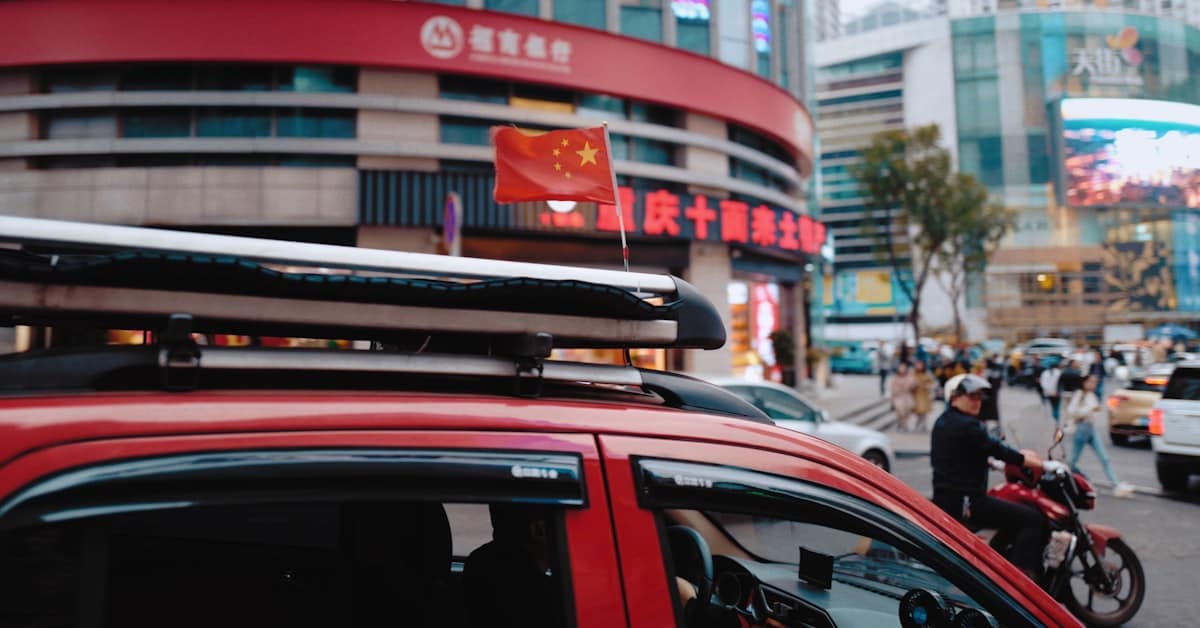
I got to the Jiuzhaigou entrance at 6:45am on an October Thursday. The gate opened at 7. There were already maybe 500 people ahead of me, standing in rows behind metal barriers, watching staff in orange vests wave flags and bark instructions through megaphones. It felt like boarding a flight at an airport that only served one destination.
The ticket was 250 yuan for a single day in peak season. I’d booked it three days in advance through the mini-program on WeChat, which is mandatory — they cap daily visitors at 41,000 and they actually enforce it. By 8am that Thursday, the allotment was gone. I overheard a couple at the hotel breakfast table who’d tried to walk in without a booking. They were driving three hours to Huanglong instead.
The park bus system is the first thing you encounter after the turnstiles, and it’s chaos with good intentions. Green buses loop through the valley on fixed routes, picking up and dropping off at designated stops. The trick — which I learned too late — is to ride the bus all the way to the top of whichever branch you choose first, then walk downhill. Most people get on, ride two stops, get off at the first scenic point, and spend the rest of the day fighting crowds. I was one of those people for the first hour.
The Right Branch, the Wrong Time
Rize Valley First
Jiuzhaigou is shaped like a Y. The entrance is at the bottom. Two valleys branch off — Rize to the right, Zechawa to the left. Most guides tell you to go right, to Rize Valley, because it has more lakes and waterfalls. I followed this advice. So did everyone else.
The bus dropped me at Primeval Forest, the top of Rize Valley. It was 8:20am and the air was cold and thin — Jiuzhaigou sits between 2,000 and 3,100 meters altitude, and October mornings bite. I walked the boardwalk toward Swan Lake, and for about fifteen minutes it was quiet. Just the sound of water moving somewhere beneath the boardwalk and my own breathing, which was slightly faster than normal because of the elevation.
Then the tour groups arrived. A cluster of red hats rounded a bend, their guide narrating into a portable speaker. Behind them: blue hats. Behind the blue hats: yellow. The boardwalk is narrow — two people wide — and there’s no passing lane. I was trapped behind a slow-moving wall of selfie-takers for twenty minutes before I found a side path that branched off toward Arrow Bamboo Lake.
Arrow Bamboo Lake
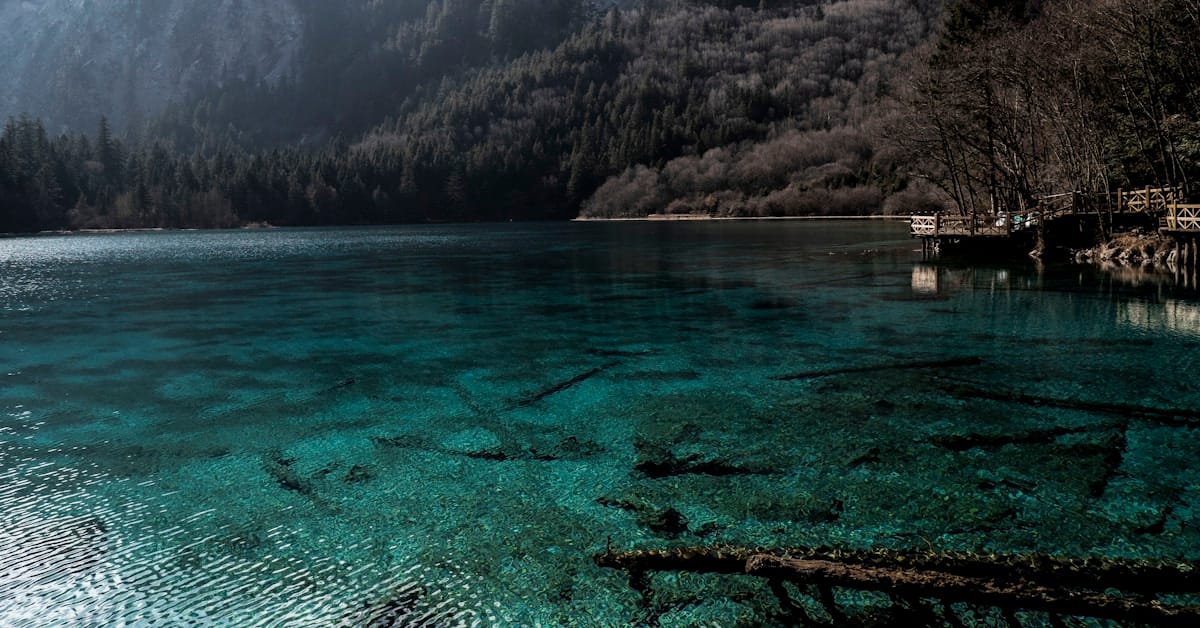
Arrow Bamboo Lake was where the crowd started to thin. Not because it’s less beautiful — the water is a blue-green that I kept thinking looked fake, like someone had cranked the saturation slider — but because the tour groups skip it. They hit Pearl Shoal and Five Flower Lake and move on. Arrow Bamboo requires a ten-minute walk off the main boardwalk, and apparently that’s too far when you’re on a schedule.
I stood at the railing for maybe half an hour. Fallen tree trunks lay on the lake bottom, perfectly preserved in the mineral-rich water, their pale wood visible through three meters of clarity. The lake surface was still. No wind. The reflection of the mountains was so sharp I took a photo and then flipped it upside down on my phone to check if it was the actual reflection or the real view. I couldn’t tell the difference.
Pearl Shoal and the Waterfall That Made Me Wet
The Boardwalk Down
From Arrow Bamboo Lake I walked the boardwalk downhill toward Pearl Shoal Waterfall. This section — about 40 minutes of walking — was the best part of the day, and not just because of the scenery. The path follows a stream that tumbles over calcium carbonate deposits, creating terraces of white and pale blue water. The stream is so clear you can see individual pebbles on the bottom. Moss grows in thick pads along the banks. The boardwalk is raised above it all, and in October, the trees on either side are a mess of yellow, orange, and reluctant green.
I passed exactly eleven other people on this stretch. Eleven. In a park that admits 41,000 a day. The lesson: walk between scenic points instead of taking the bus, and you get the valley to yourself.
The Waterfall
Pearl Shoal Waterfall is 310 meters wide. The water fans out across a broad rock face and drops in a thousand small streams, each one catching the light differently. The viewing platform puts you close enough to feel the spray, and in October, the spray is cold. My jacket was damp within five minutes. My phone screen was beaded with water droplets. I wiped it, took a photo, wiped it again, gave up, and just stood there watching.
Five Flower Lake: Beautiful and Unbearable
The Most Photographed Spot
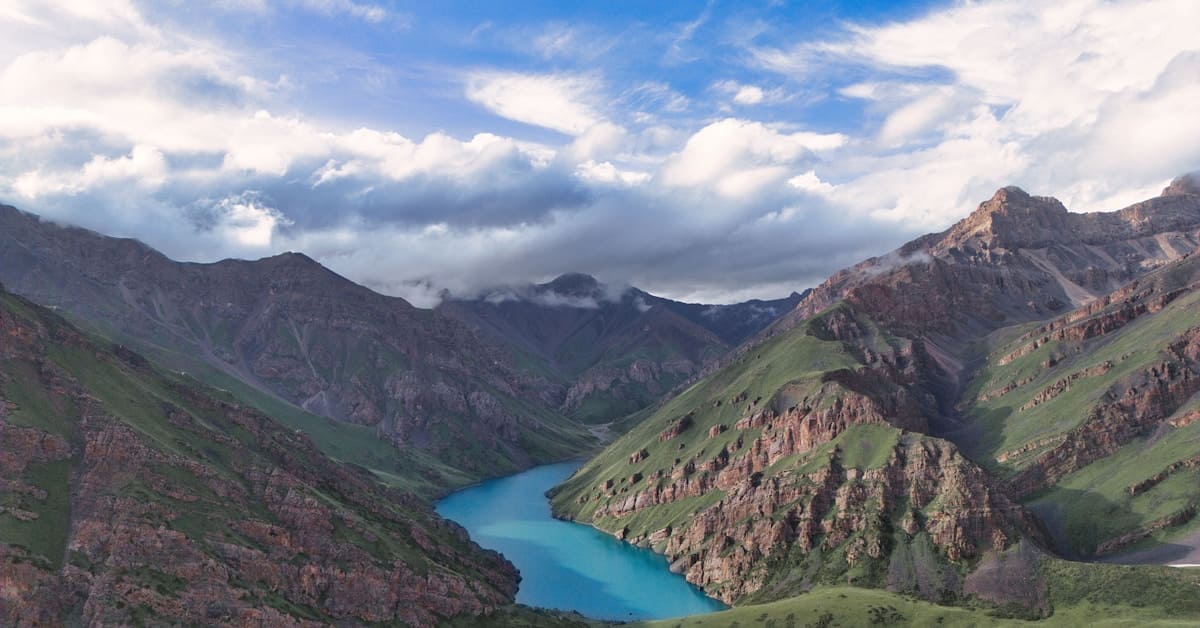
Five Flower Lake is the one you’ve seen on Instagram. Shallow water over a white calcium carbonate bed, shot through with mineral blues and greens, fallen trees lying across the bottom like bones. It’s stunning. It’s also the most crowded single location in the entire park.
I arrived at 1pm — worst possible time. The viewing platform was four people deep at the railings. Everyone was holding phones above their heads, angling for a shot without someone else’s elbow in it. A woman next to me was doing a full photo shoot — three outfit changes from a bag her boyfriend was carrying. He looked like he wanted to dissolve into the lake.
What I Should Have Done
Gone at 4pm. By late afternoon, the tour groups have already left for their buses. I came back to Five Flower Lake around 4:30 after doing the Zechawa branch, and the platform had maybe fifteen people on it. The light was lower, the water looked deeper, and I could actually stand at the railing without someone’s selfie stick in my ear. If you’re planning the route, save Five Flower for last.
Zechawa Valley: The Long Way Around
Long Lake
I took the bus to the top of Zechawa Valley after lunch. Long Lake is the highest and largest lake in Jiuzhaigou — it sits at 3,100 meters, and walking the steps up from the bus stop had me breathing harder than I liked to admit. The lake is long (obviously) and deep blue, flanked by mountains that were already dusted with snow in October. There’s a Tibetan prayer flag strung between two trees at the far end, and the wind was strong enough to make it snap.
The altitude hit me here more than anywhere else. Not altitude sickness, exactly — just a heaviness in my legs and a slight headache that came and went. I moved slowly, drank water, sat on a rock for ten minutes. The cold helped. A vendor was selling hot yak butter tea from a thermos — 10 yuan a cup. It tasted like salty, warm peanut butter. I drank two cups. Not because I liked it, but because my body wanted warmth more than my tastebuds wanted pleasure.
Five-Color Pond
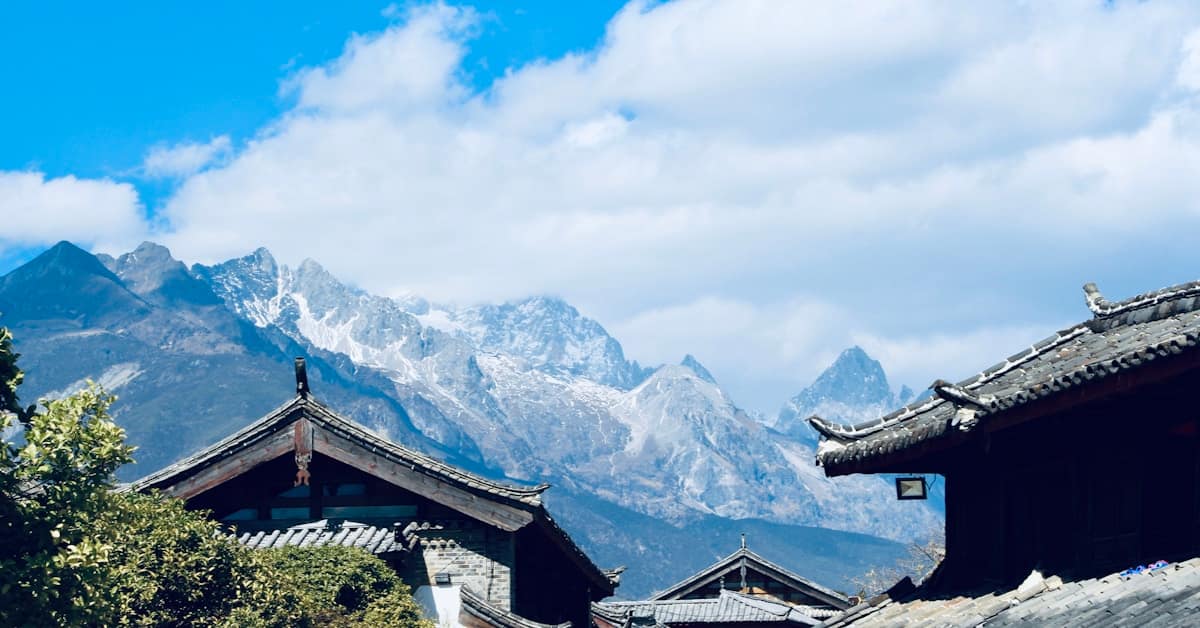
From Long Lake, I walked down to Five-Color Pond — a small, impossibly vivid pool that’s maybe 20 meters across. The colors are real. I kept looking for the filter. There isn’t one. The minerals in the water — calcium, magnesium, copper — create a palette that ranges from turquoise to emerald to a deep sapphire that doesn’t seem natural. The pond is small enough that it gets crowded fast, but the crowd rotates quickly because there’s not much to do besides stare and take photos. Fifteen minutes, and you’ve seen it.
What I Got Wrong (A List for Next Time)
The Route
I did Rize Valley in the morning and Zechawa in the afternoon. Should’ve been reversed. Zechawa is shorter and has fewer stops — you can knock it out in two hours — and it gets less traffic in the morning because everyone goes right first. Doing Zechawa at 8am and Rize at 11am would’ve put me at Five Flower Lake in late afternoon instead of midday.
The Season
October is peak for a reason — the autumn colors are real and they’re spectacular. But October is also when every domestic tour group descends. September is nearly as colorful with maybe half the people. November is quiet but some upper trails close for snow. If I could do it again, I’d pick the third week of September. For more on timing, the summer travel guide has seasonal breakdowns for the whole southwest.
Two Days vs One
I did Jiuzhaigou in one day. It’s possible — I saw most of what matters — but it’s a sprint. A two-day ticket (valid for re-entry within 48 hours, costs about 350 yuan in peak season) lets you walk at a normal pace, revisit spots at different light, and not feel like you’re racing a clock. The existing Jiuzhaigou guide covers the route in more detail if you’re planning the full circuit.
Where I Slept
I stayed in Jiuzhaigou town, about 15 minutes from the park entrance. The hotel was a concrete box called something like “Grand View Hotel” — 280 yuan for a room with a firm bed, a hot shower, and a view of a parking lot. Breakfast was congee and steamed buns, included. The town itself is one long strip of hotels, restaurants, and shops selling yak jerky and Tibetan jewelry. It’s not charming, but it’s functional. The food situation is better than I expected — I had a decent plate of yak meat noodles for 25 yuan and a truly terrible pizza for 60 yuan. Stick to the noodles.
Leaving on the Last Bus
The park closes at 5pm in October. I caught one of the last shuttle buses back to the entrance, standing room only, surrounded by people comparing photos on their phones. My legs ached. My jacket still smelled like waterfall spray. I’d walked something like 18 kilometers according to my phone’s step counter, most of it on boardwalks that were kind to my knees but not kind to my lower back.
Outside the gate, the street was lit with neon signs for hot pot restaurants. I found one with no English menu and a group of Tibetan guys drinking beer at a corner table. I pointed at their food and held up one finger. Twenty minutes later, a pot of yak meat and vegetables arrived, spicy enough to make my nose run. I ate alone, watching the group toast each other with small glasses of baijiu. Nobody bothered me. The meat was chewy and the broth was outstanding. Total cost: 55 yuan.
I walked back to the hotel in the dark, altitude headache returning slightly, yak broth warming my stomach. Jiuzhaigou’s water is the most unreal thing I’ve seen in China. But what I keep thinking about is that boardwalk between Arrow Bamboo Lake and Pearl Shoal, when I was almost alone, and the stream below me was so clear it looked like air. That’s the part the photos don’t capture — the quiet between the crowds. For more on finding those moments in western China, the Sichuan road trip guide tracks a similar wavelength.
Photos courtesy of Unsplash
Three other trips that landed differently than I expected: