

I walked out of the bar in Chengdu at 1:17am. I’d been in the city for exactly two days. The bar was on a side street near Chunxi Road, and my hotel was a 25-minute walk north, past the main shopping district and through a neighborhood I hadn’t seen in daylight.
The Didi app said five minutes for a car. I stood on the curb and watched a couple walk past holding hands, eating grilled squid from a stick. The bartender had told me Chengdu was safe. I didn’t believe him. But I also didn’t believe I needed to spend 18 yuan to avoid finding out.
I started walking.
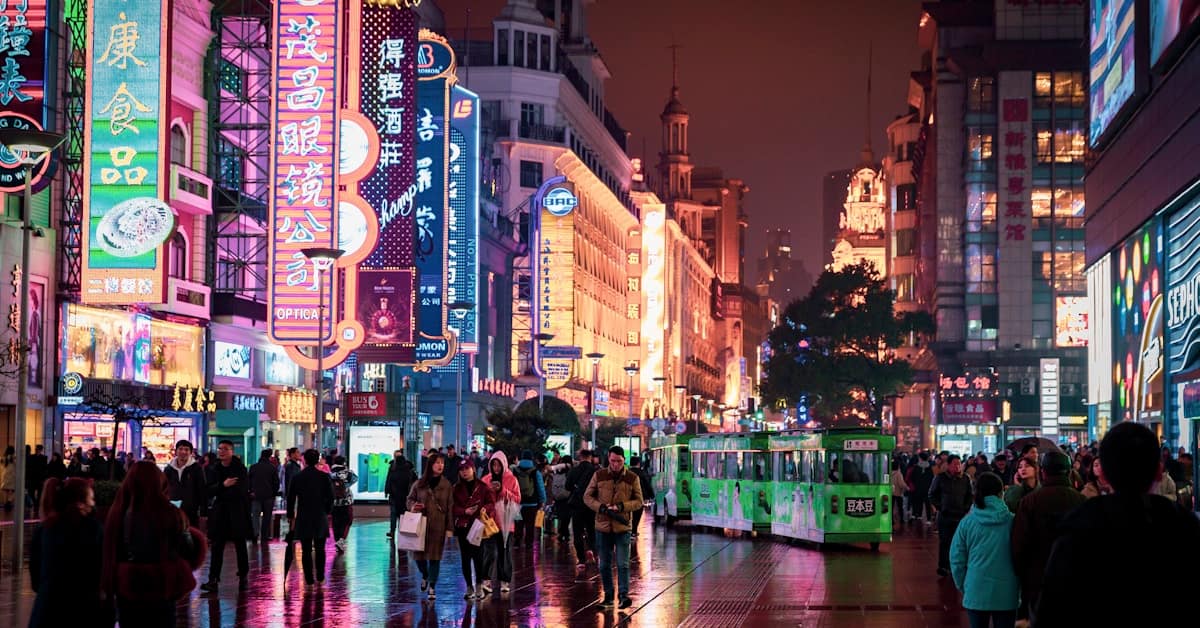
Chengdu at 1am — The Street That Changed My Mind
Chunxi Road at 1:30am doesn’t look like a street that sleeps. The neon was still on. Not all of it, but enough. A man was frying stinky tofu at a cart on the corner. The oil hissed every time he dropped something in. Three teenagers sat on plastic stools eating noodles. A woman pushed a sleeping toddler in a stroller past a convenience store. It looked like 9pm. It was not 9pm.
I kept walking north. Every block had something open. A pharmacy with the green cross flickering. A barbecue place with men drinking beer and playing cards on the sidewalk. Nobody looked at me for more than a second. I was a tall foreigner in a city full of tall buildings, and I was about as interesting as a fire hydrant.
Then a drunk guy stumbled out of a doorway and grabbed my arm. My whole body locked up. He pointed down the street, said something in Chinese that sounded like a question, then pointed left. Then right. Then he patted my shoulder, laughed, and walked away. He was trying to give me directions. He was just bad at it. I stood there for ten seconds waiting for my heartbeat to slow down.
Fourteen Cameras on One Block
That’s when I started counting cameras. The first one was on a pole above the barbecue place. Then two more on the traffic light. A dome camera outside a bank. Another above the pharmacy door. By the time I reached my hotel, I’d counted fourteen cameras on a single block. Fourteen. One of them had a red infrared light that blinked every three seconds. I watched it blink as I walked through the hotel doors.
The smell of the city at night was different from the day. Less exhaust, more cooking oil. Sichuan peppercorn hung in the air outside one restaurant even though the chairs were stacked inside. A taxi driver slept in his car with the window down. He didn’t wake up when I walked past. Nothing about the street felt threatening. It felt indifferent. Indifferent is better than threatening.
Shanghai After Midnight — The City That Doesn’t Close
Three nights later I was in Shanghai. I’d been at a bar near Tianzifang with a Canadian guy I’d met at the hostel. We left at 2am. He lived south. My hotel was north, near People’s Square. The walk was supposed to take 35 minutes. I decided to do it.
The first ten minutes were construction workers. They sat on folding stools outside a noodle shop in orange vests and hard hats, eating late dinner before a night shift. One of them waved at me. Not a suspicious wave. A bored wave. Like I was a pigeon.
I stopped at a Lawson for water. The clerk was watching a drama on his phone with the volume up. He didn’t look up when I put the bottle on the counter. He scanned it without breaking eye contact with the screen. I paid, he grunted, I left. That was the whole interaction.
The Bund at 3am Feels Like a Secret
The Bund at 3am is a different place. During the day it’s a shoulder-to-shoulder Instagram disaster. At 3am it’s empty concrete and lit-up buildings across the river. I sat on a bench for ten minutes. A security guard on an electric scooter puttered past. He didn’t stop. He didn’t even slow down. I was just a person sitting in a city that has seen every kind of person sit in every kind of place.
The only moment of unease was an underpass near Shanghai Railway Station. It smelled like stale water and something else I didn’t want to identify. The lights inside were fluorescent and one of them flickered. A man was sleeping inside a cardboard box near the exit. I walked faster. Not because he was dangerous. Because the place felt abandoned, and abandoned places feel wrong at 2:45am no matter what country you’re in. I came out the other side and saw a 7-Eleven. Everything felt normal again.
Guangzhou at 11pm — Not Night, Not Day
Guangzhou doesn’t have a bedtime. I arrived on a Tuesday and walked out of my hotel at 11pm looking for food, assuming everything would be closed. Beijing Road pedestrian street looked like rush hour. A thousand people walking in every direction. A family with a toddler was eating mango dessert at a plastic table outside a shop. The kid was awake. The parents looked exhausted in that specific way that means they’re having a good trip anyway.
I took a taxi back at 12:30am. The driver was older, maybe sixty. When we got to my hotel, the meter said 23 yuan. I handed him a 50. He gave me 27 yuan in change down to the single coin. I tried to wave it off. He pressed it into my hand and shook his head. No English. No translation needed. He wasn’t going to overcharge me. He found the idea slightly insulting.
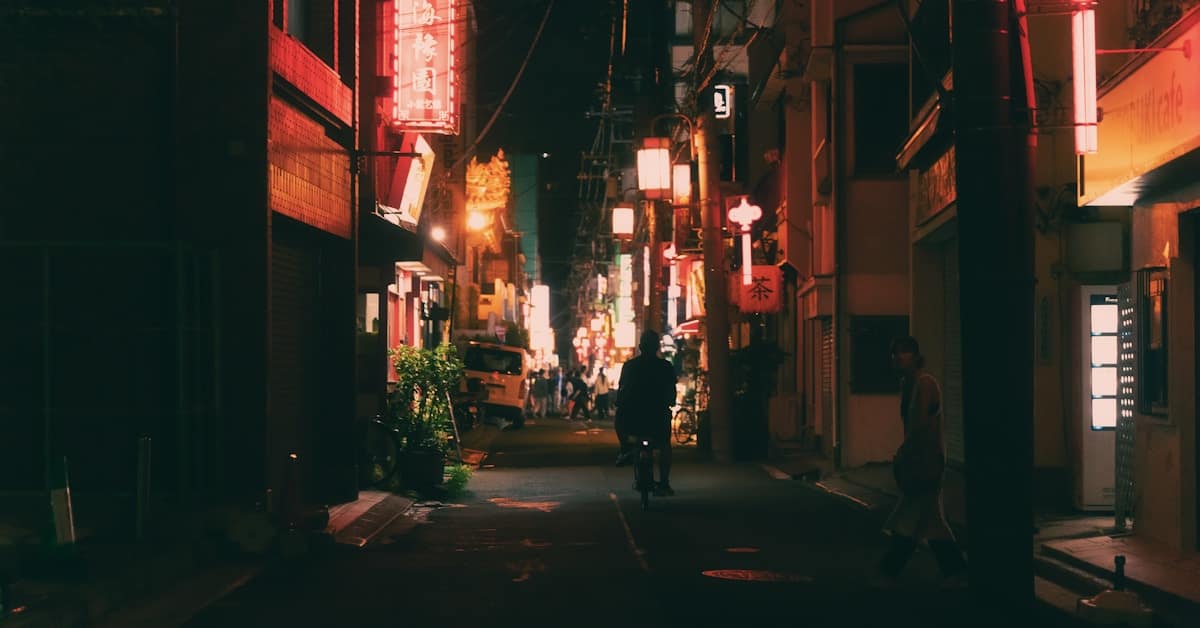
The One Time I Felt Unsafe
It wasn’t in Chengdu or Shanghai or Guangzhou. It was a smaller city I won’t name because the story isn’t about the place. It’s about the street.
I turned down a road that looked like a shortcut on my map. The streetlights stopped three blocks in. There were no shops. No neon. No convenience store glowing at the corner. Just apartment buildings with the windows dark and a sidewalk that cracked under my shoes. I couldn’t hear traffic. I couldn’t hear people. I could hear my own footsteps and that was it.
I Turned Around and Walked Back
I turned around. I didn’t run. I walked back to the main road I’d come from, which had lights and a FamilyMart and a man walking a dog. I pulled out my phone and opened Baidu Maps. I’d set it up using a navigation guide I’d bookmarked before the trip, and it saved me when I needed to find the nearest lit main road. A Didi came in four minutes. I stood under the blue glow of the store sign and waited.
That wasn’t a dangerous moment. That was an uncomfortable moment. There’s a difference. Dangerous means something is happening. Uncomfortable means something might happen, and your brain can’t tell the difference, so it invents the worst version. I invented a lot in those three dark blocks. None of it happened.
What Actually Matters for Night Safety in China
The Infrastructure of Feeling Safe
CCTV density is real. It’s not a subtle thing. Cameras are everywhere in the major cities, and they’re obvious. Dome cameras on poles. Box cameras above storefronts. Some blink red. Some don’t. I don’t have a strong opinion about surveillance as a concept, but as a practical matter, walking past fourteen cameras on one block changes how bold you feel about taking a shortcut. It just does.
Street lighting varies wildly. Main roads in Shanghai and Guangzhou are lit like football stadiums. But walk one block east or west into the older residential areas and the lights can disappear completely. The dark isn’t dangerous by itself. The dark is dangerous because it hides the signals you’d use to decide if you were safe. No lights means no information. I started checking what was behind me by looking at my shadow.
Stores, Phones, and When to Walk
Convenience stores are safety anchors. FamilyMart. Lawson. 7-Eleven. They’re open 24 hours, they’re everywhere, and they mean you’re on a grid that people use. If I could see a lit convenience store, I knew I was fine. If I walked for ten minutes without seeing one, I started paying closer attention. One of the common mistakes I’d tried to avoid was letting my phone battery die before midnight. You don’t want to be in an unlit alley with a dead phone.
Didi versus walking. I walked when there were people eating on the street. I called a Didi when the street was empty. That became my rule. People eating at 1am means a neighborhood is awake and watched. An empty street means nobody is around to watch anything. It doesn’t mean something will happen. It means if something does happen, you’re alone. I don’t like being alone in unfamiliar cities after midnight. Most people don’t.
Women Traveling Alone at Night
I’m a man. What I experienced is not what a woman experiences. I know that because I asked. I stayed in three hostels and talked to five solo female travelers about this exact question. Their answers weren’t the same as mine.
None of them had been robbed. None of them had been physically threatened in a way that required police. But three of them had stories about specific streets they’d learned to avoid. Narrow alleys near tourist districts where local men sat outside shops and stared. Not at everyone. At women walking alone. One woman told me about a street near a night market in a city I also visited. I’d walked down it at 11pm and thought nothing of it. She’d been followed for two blocks by a man on a scooter who kept asking if she needed a ride. She didn’t. He kept asking.
Catcalling and the Staring
Catcalling happened, but it was rare. Two of the five said it had happened to them in China. All five said it happened more in other countries they’d traveled through. But rare isn’t never. I’d read a solo female travel guide before the trip and remembered her advice about empty streets: it’s not the men, it’s the absence of other women. If a street has women on it at midnight, it’s probably fine. If it’s only men, or nobody, pay attention.
The staring was the most common complaint. Not aggressive staring. Just unfiltered, prolonged eye contact that would be rude anywhere else. In China it often means curiosity, not threat. But curiosity and threat feel similar when you’re alone at night and can’t speak the language. Their strategy was the same as mine: stay on main roads, trust convenience stores, and don’t let your phone die.
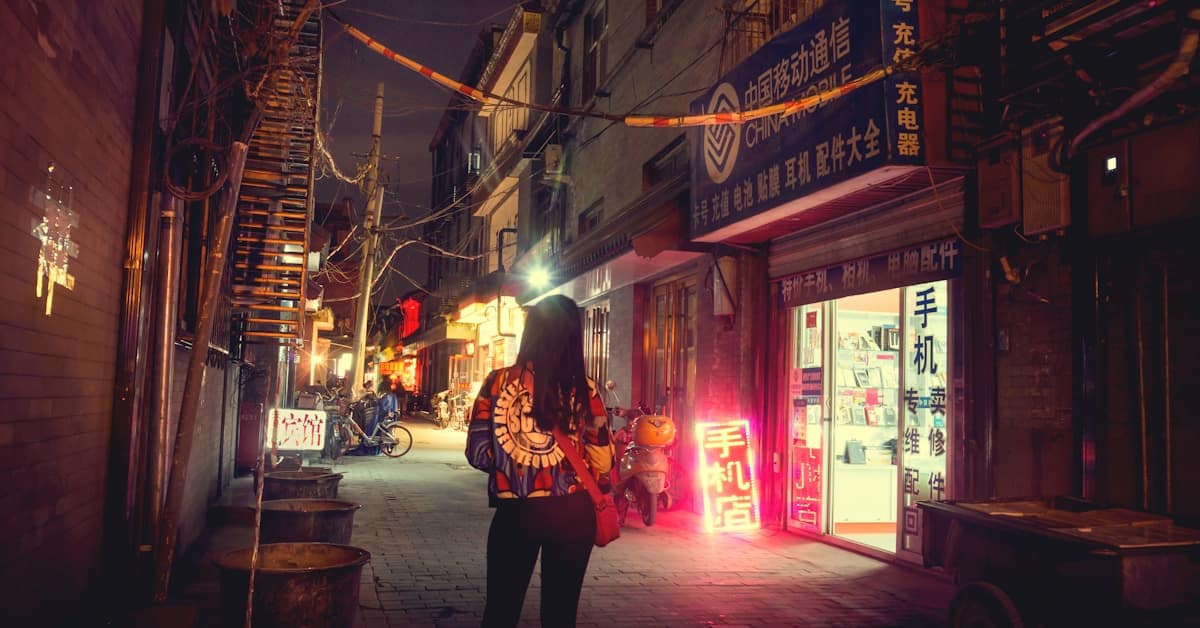
Walking back to the hotel in Guangzhou at midnight, I bought a can of iced tea from a FamilyMart where two police officers were also buying snacks. Not a dramatic moment. Just a normal Tuesday night in a country where being out late doesn’t mean being in danger.
If this one resonated, three others I’ve written that walk into similar tension:
